In July 2025, astronomers made a rare and exciting discovery: a new object from another star system was spotted entering our solar system. The NASA-funded ATLAS telescope in Chile found the fast-moving object on July 1.
At the time, it was zooming through space at about 137,000 miles per hour from the direction of the Sagittarius constellation. Scientists immediately realized that this was not just any asteroid or comet from our solar system, but something very unusual.
Official follow-up observations quickly confirmed that 3I/ATLAS was not originally from here, but an interstellar visitor, one of only three ever found by humans.
Racing Against Time
When 3I/ATLAS was first detected, it was far from the Sun, about 4.5 times farther than Earth, beyond Jupiter’s orbit. Strangely, it was already behaving differently than most comets, showing signs of activity that usually only appear much closer to the Sun.
Old telescope images found in archives revealed the object had been active in mid-June. Since 3I/ATLAS would move rapidly and soon pass behind the Sun, scientists had just a few months to collect as much information as possible.
Teams of astronomers from all over the globe scrambled to point their largest telescopes at this rare, fleeting cosmic messenger.
Exclusive Cosmic Club
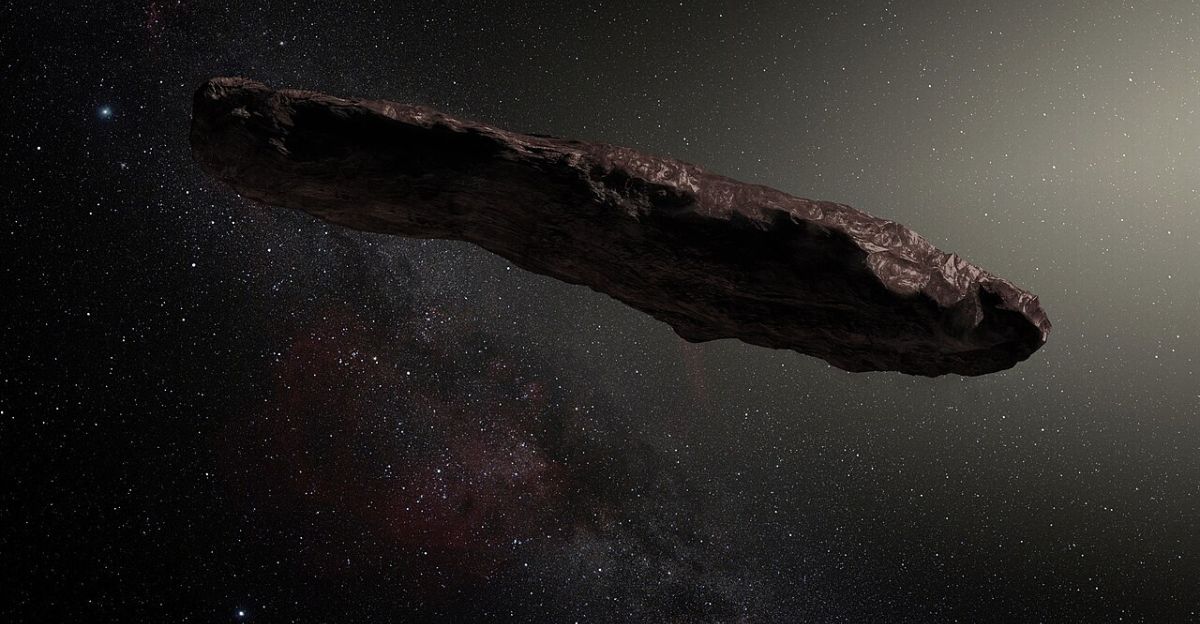
Before the discovery of 3I/ATLAS, only two confirmed interstellar objects existed: ‘Oumuamua in 2017 and 2I/Borisov in 2019. ‘Oumuamua shot through the solar system in a long, spinning shape with mysterious features that didn’t fit any regular comet or asteroid.
2I/Borisov was more like a traditional comet, with a tail and familiar ice-and-dust chemistry. However, 3I/ATLAS differed from both; it was active much farther from the Sun than any comet, and its chemical makeup was a puzzle.
Hyperbolic Journey Home
3I/ATLAS is on a journey across the galaxy that will never bring it back here. Astronomers tracked its path, and the shape of its orbit shows it came from outside our solar system and will eventually leave us for deep space forever.
By measuring its path and speed, astronomers believe 3I/ATLAS has been wandering through the galaxy for possibly up to 7 billion years. That makes it older than our Sun and planets.
Looking at it now is like having a message in a bottle from the very early days of the universe.
Four Telescopes Unite
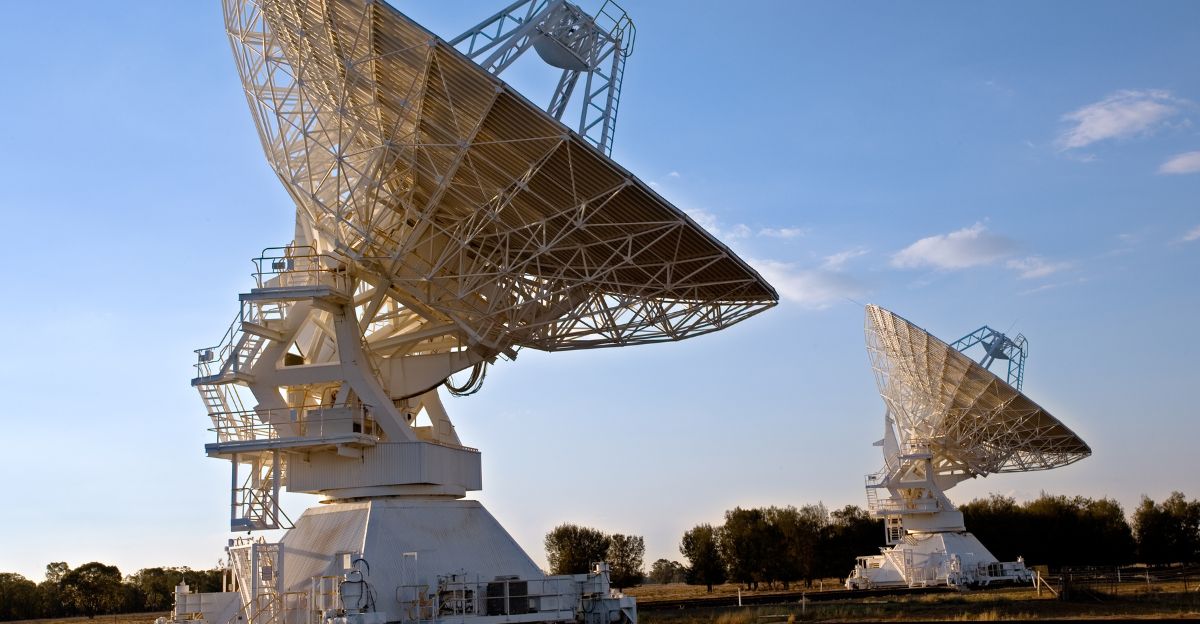
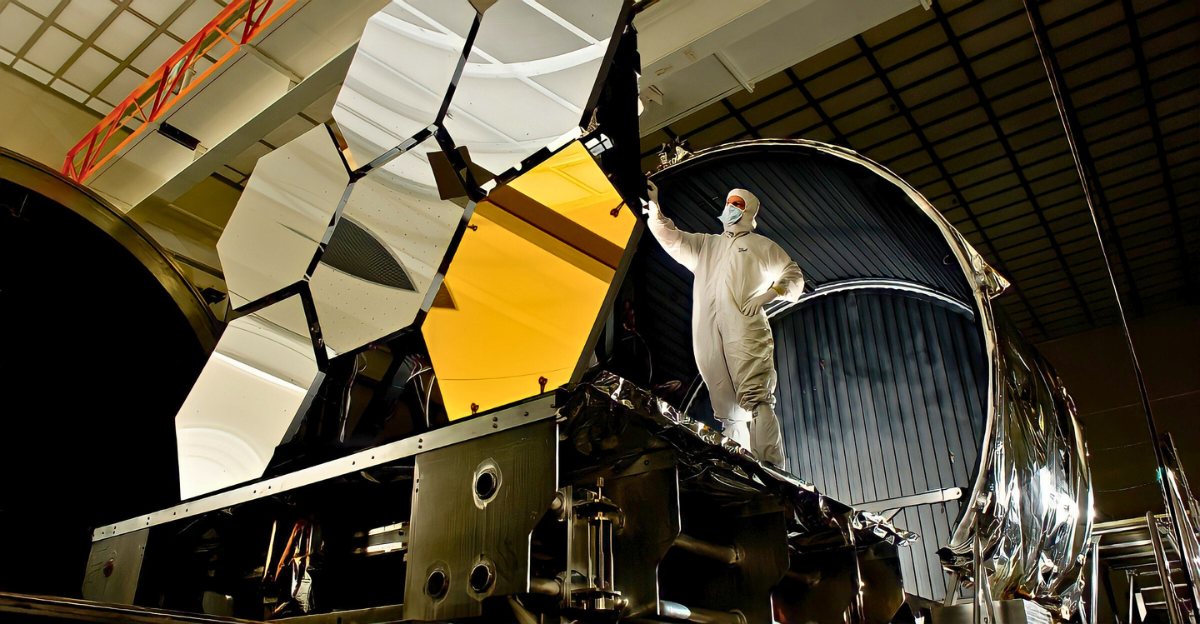
To learn as much as possible before 3I/ATLAS left, scientists organized a campaign using four of NASA’s most powerful telescopes. The Hubble Space Telescope took high-resolution pictures.
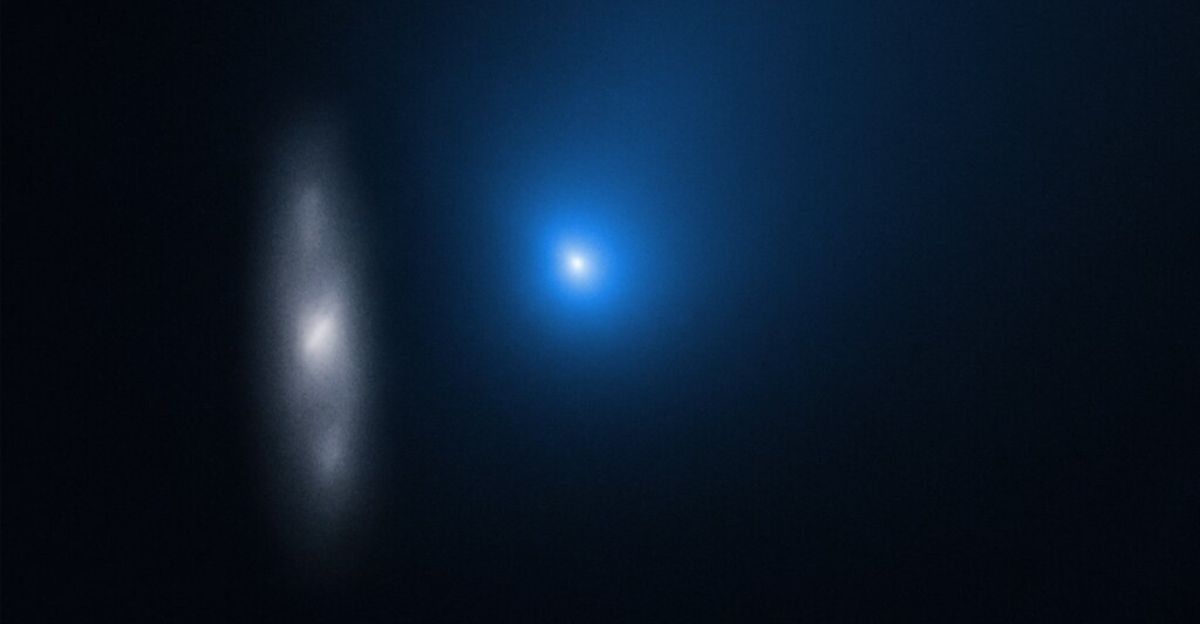
The James Webb Space Telescope (JWST) examined its chemical composition. TESS looked at its activity over time, and SPHEREx confirmed the types of gases it was emitting. Hubble showed that 3I/ATLAS was surrounded by a “teardrop-shaped cocoon of dust instead of a classic tail.”
Webb and other instruments reported nothing like the comets we know, raising questions about what comets can be made of elsewhere in the galaxy.
Chemical Fingerprint Shock
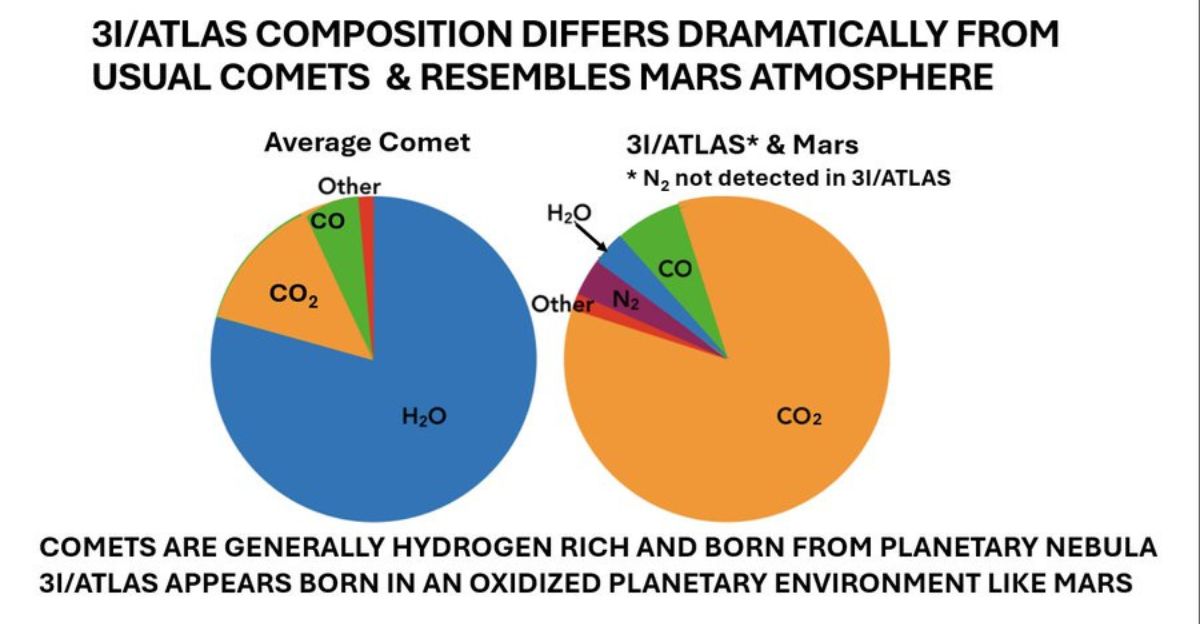
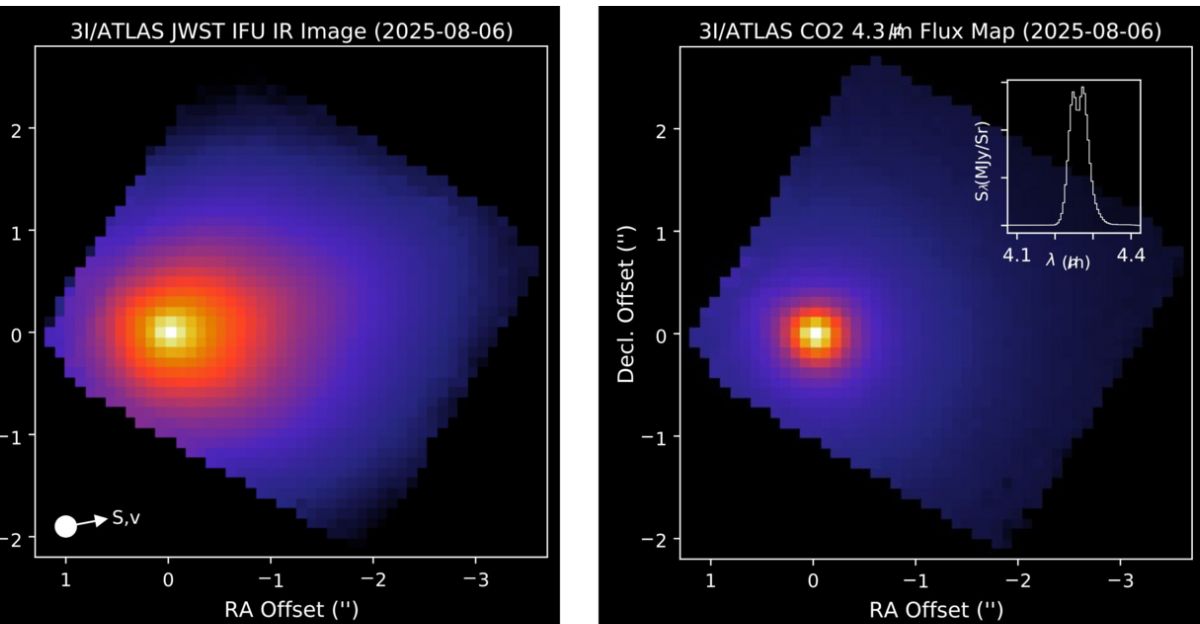
Scientists were shocked by what they found inside 3I/ATLAS. The JWST measured its chemical fingerprint and found it was made of much more carbon dioxide than water, an 8:1 ratio, far higher than any comet from our solar system.
ATLAS has 16 times more carbon dioxide than similar solar system comets. This surprised astronomers, who said it suggests that 3I/ATLAS must have formed in a very different environment, maybe in the cold outer reaches of another star’s planetary disk.
It forces scientists to rethink what they know about how comets form and what they can be made from beyond our Sun’s neighborhood.
Mars Gets Front Row Seat
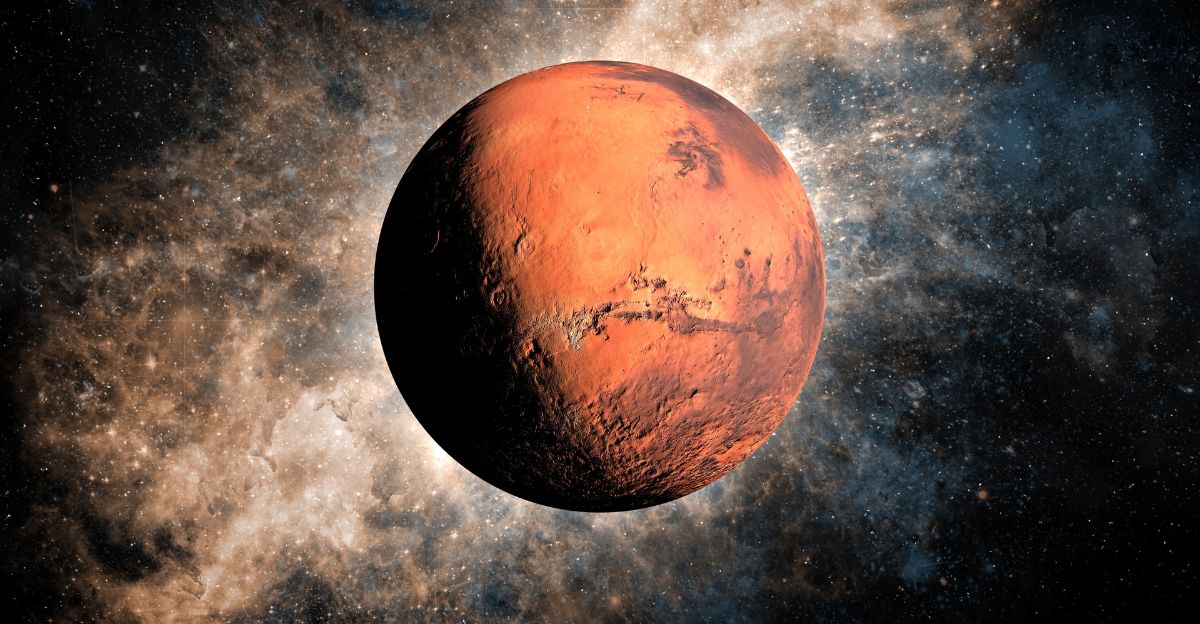
Another thing that makes 3I/ATLAS special is that, while it won’t get anywhere near Earth, it will pass unusually close to Mars. On October 3, 2025, it will come within about 18.6 million miles of Mars, much closer than it will get to us.
Space agencies are excited about this close encounter. The European Space Agency (ESA) will use its Mars-orbiting spacecraft to study the comet up close, and NASA’s Mars Reconnaissance Orbiter will also try to get a picture.
This is a unique chance to simultaneously observe an interstellar comet from more than one planet.
Unusual Activity Profile
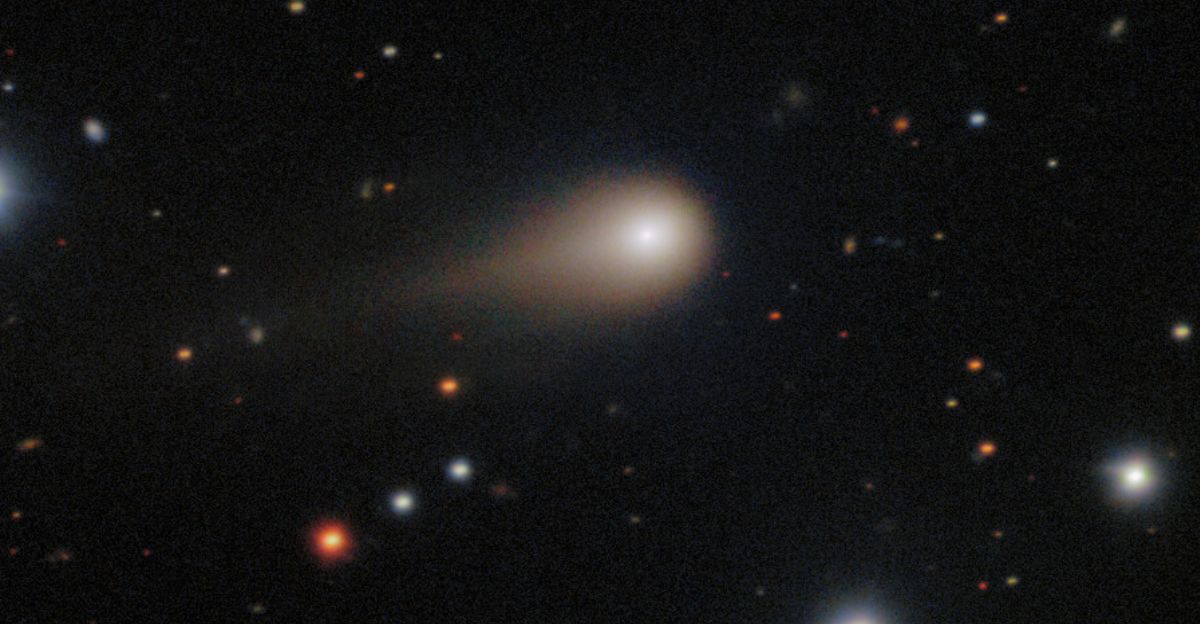
Most comets only become active and release gas and dust when they’re closer to the Sun, but 3I/ATLAS was active much farther out.
Archival data from TESS and other telescopes showed that it was already bright and giving off gas at six astronomical units, a considerable distance from the Sun, well before where our comets wake up. When Webb observed it at 3.3 AU, it was still unusually bright and gassy.
This tells scientists that 3I/ATLAS is made of materials that react differently to sunlight, or that something else spreads energy through its body.
Industrial Chemistry Detected
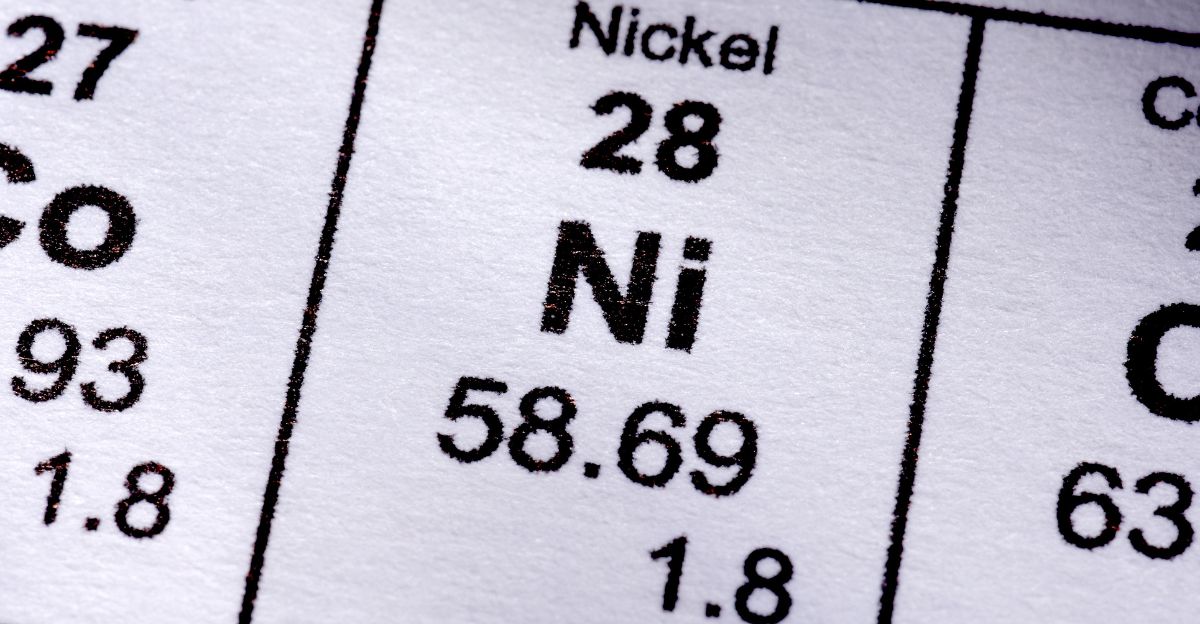
When the Very Large Telescope in Chile studied 3I/ATLAS, it found even stranger chemistry. The comet produced a lot of nickel vapor but almost no iron.
Nickel and iron usually appear together because they’re made in the same cosmic events. Finding just a nickel is highly unusual and, in some ways, resembles what is seen in factories or refineries here on Earth.
Other rare gases and metals, including cyanide, were also found, suggesting this comet formed in conditions different from usual.
Scientists Voice Amazement

Scientists have openly admitted that 3I/ATLAS’s properties stump them. Harvard’s Avi Loeb said there is “something really off” about the object.
Other researchers have called it “deeply strange” and noted that it does not act like anything else we’ve seen orbiting the Sun. Martin Cordiner of NASA highlighted that its carbon dioxide levels are “among the highest ever seen in any comet.”
These comments show how odd and fascinating astronomers find this visitor from another solar system.
Ancient Origins Mystery
Because 3I/ATLAS could be as old as 7 billion years, scientists wonder how it’s still so active.
Most comets lose their gas over time, but this object is still full of volatile ices, giving off gas even after traveling in space for eons.
This makes it a rare leftover object from when planets and comets first formed, possibly offering a preserved sample from the ancient galaxy.
Hubble’s Detailed Portrait
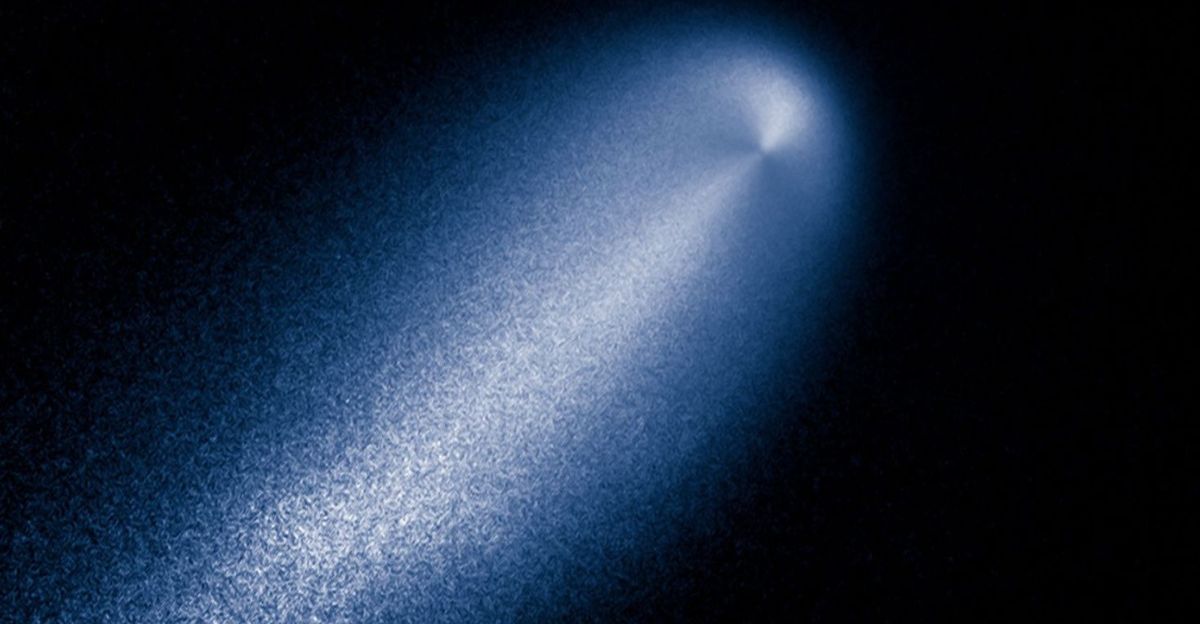
Hubble took a stunningly detailed picture of 3I/ATLAS in July 2025 from more than 270 million miles away.
Unlike most comets with visible tails, the image showed that this one looked like a thick cocoon or envelope of dust around the nucleus, a teardrop shape up to 350,000 kilometers wide.
Scientists measured its likely core size at less than 1 kilometer across, but couldn’t be sure because the dust envelope was so thick.
Global Response Mobilizes

Scientists worldwide joined in because this was only the third known interstellar object. Chile, Hawaii, California, and European telescopes all observed the comet. Even citizen astronomers with powerful backyard telescopes made recordings.
Multiple spacecraft around the solar system, including those designed for other missions, were re-targeted to observe the comet. NASA tried to get observations from missions orbiting Mars, and calculations were made about whether probes like Juno and others could catch a glimpse.
The entire global science community united, all aware that they only had a short time to study the comet before it disappeared forever.
Public Engagement Breakthrough

For 3I/ATLAS, scientists also invited the public like never before. “Shadow the Scientists” events let students, the public, and amateur astronomers participate in real-time telescope observing sessions.
Participants watched as data came in, discussed what they saw, and even helped interpret the colors and signals.
People from Hawaii, Europe, South America, Africa, and Asia collaborated in open Zoom calls, making science accessible and hands-on, not just for experts.
Critical October Window
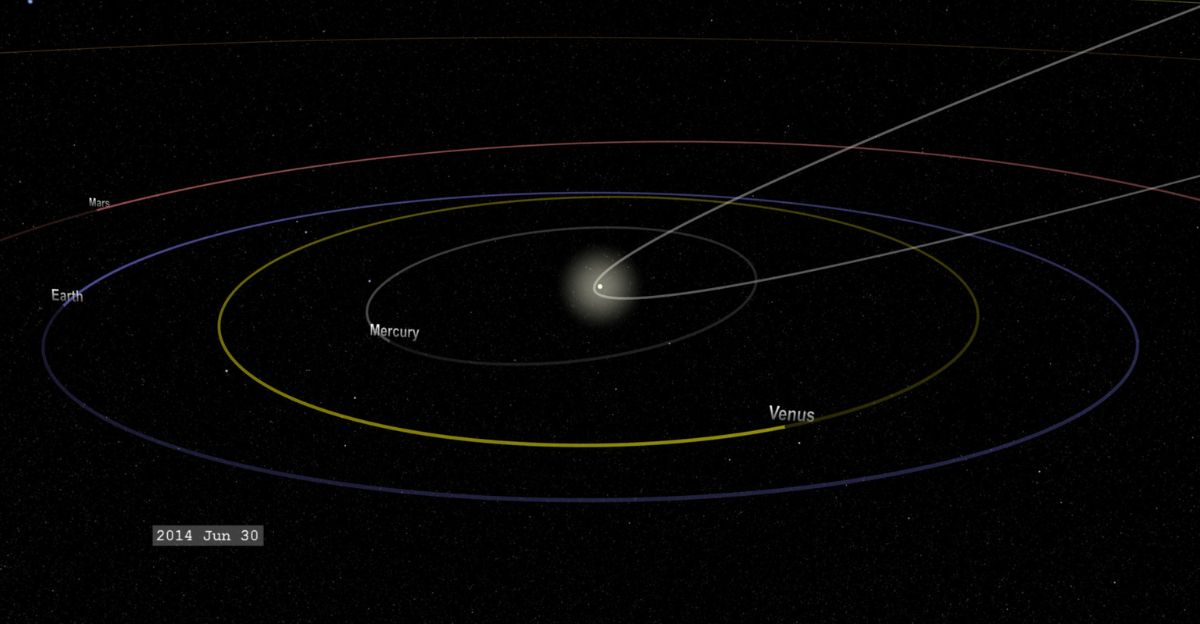
The most crucial time to study 3I/ATLAS is October 2025, when it will come closest to the Sun and closest to Mars.
Scientists want to observe what happens as the comet “heats up”: does it behave like a typical comet, with a bright tail, or will it keep showing its strange cocoon of dust and weird gas chemistry?
This is also the last time we study it before it disappears from our view behind the Sun, not to return for months.
Research Ramifications Emerge

Because 3I/ATLAS has so many odd features, researchers and theorists are busy publishing new papers. Some suggest it formed near the “CO2 ice line” around another star, where lots of carbon dioxide would freeze, but water would not.
Others are developing new models for how interstellar comets form and how they can survive cosmic radiation for billions of years.
The comet forces scientists to update and rewrite basic explanations for how planets and comets are born.
Industry Applications Potential
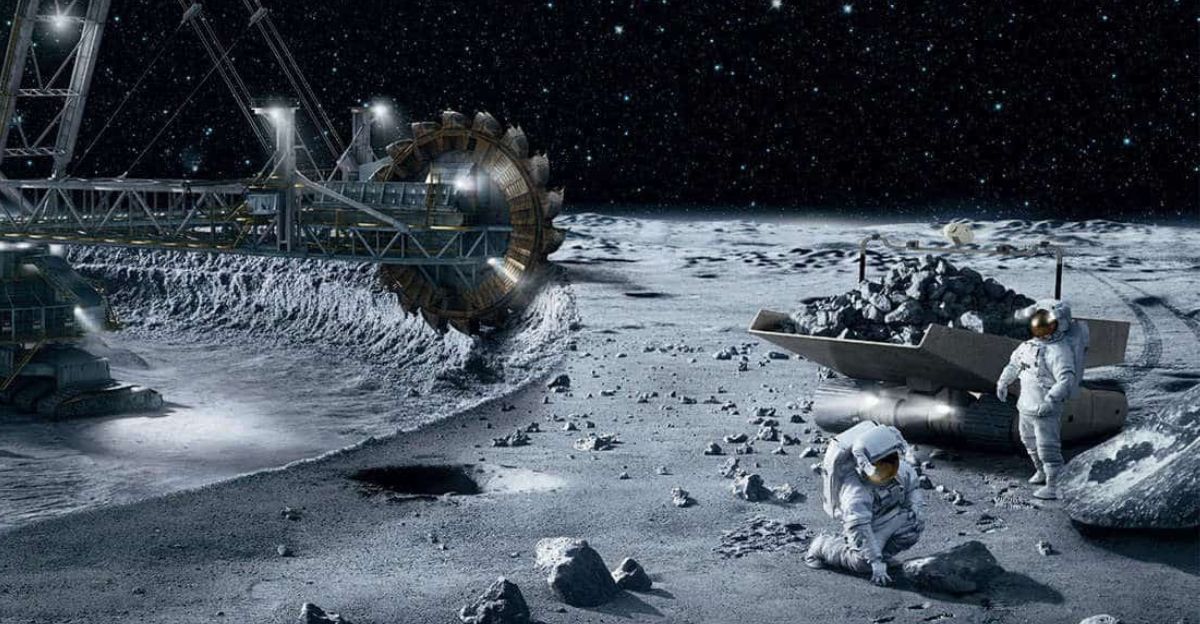
The strange chemistry of 3I/ATLAS is of interest not just to scientists. Space mining companies are studying their data, hoping to apply those insights to future resource extraction from comets and asteroids.
The nickel-rich composition gives clues to processes that might be used for metal extraction on asteroids.
The comet’s ability to preserve its ices and materials for billions of years might inspire better ways to design future spacecraft or storage interfaces for deep-space missions.
Social Media Speculation Explodes

The public has been talking about 3I/ATLAS worldwide. Hashtags have gone viral, with people sharing images, debating theories, and asking questions.
Some discussions have become wild, even suggesting the object could be artificial or “alien technology”, a point Harvard’s Avi Loeb is often quoted about, though most scientists stick to natural explanations.
Prominent astronomers and NASA have had to address rumors and misinformation. Still, the ongoing social media frenzy shows just how much public interest there is in cosmic mysteries, and how little we still know about what’s out there.
Historical Context Matters
Finding 3I/ATLAS is only the third time humans have seen an object visiting from another star system.
The first, ‘Oumuamua, raised more questions than answers, and 2I/Borisov was a more normal icy comet. But each adds to a growing picture that the galaxy may be full of strange visitors with different histories.
As more discoveries are made, our view of what’s “normal” in space keeps expanding.
Bottom Line Impact
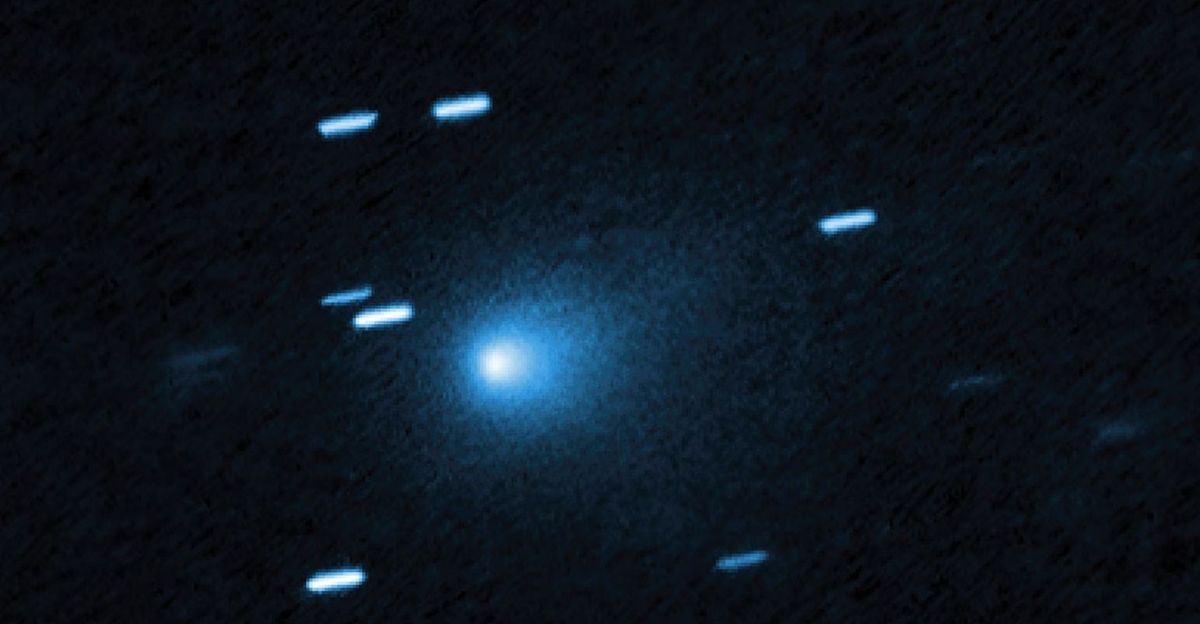
3I/ATLAS proves that even after years of exploration, the universe still has enormous surprises for us. It’s a messenger from far outside our cosmic neighborhood, carrying clues about how stars, planets, and comets can form differently.
The comet’s extreme chemistry, its strange lack of a normal comet tail, its close pass by Mars, and the worldwide effort to study it have all combined to make it one of the most important astronomical discoveries of the decade.