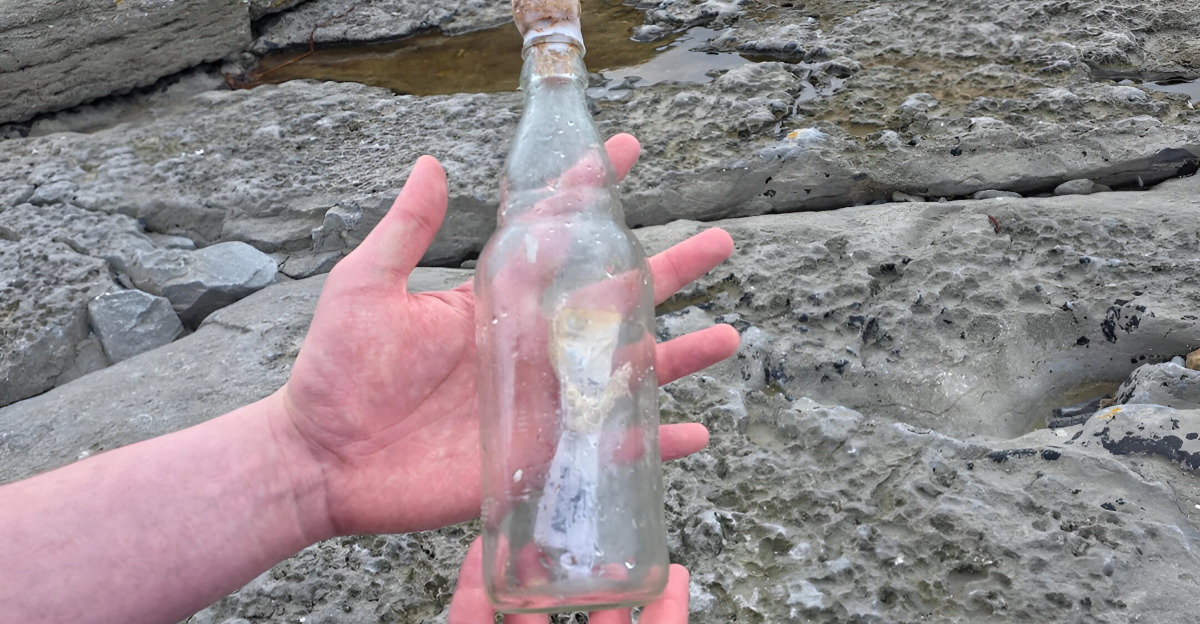
A curious discovery has ocean scientists buzzing. Message-in-bottle findings occur roughly once yearly across Nova Scotia’s shores, but this particular specimen represents something extraordinary in maritime archaeology. According to CBC News reports from June, the contents remained surprisingly readable despite decades of oceanic exposure, defying typical preservation expectations for waterlogged paper documents.
This Remote Island Just Became the Center of Maritime Mystery
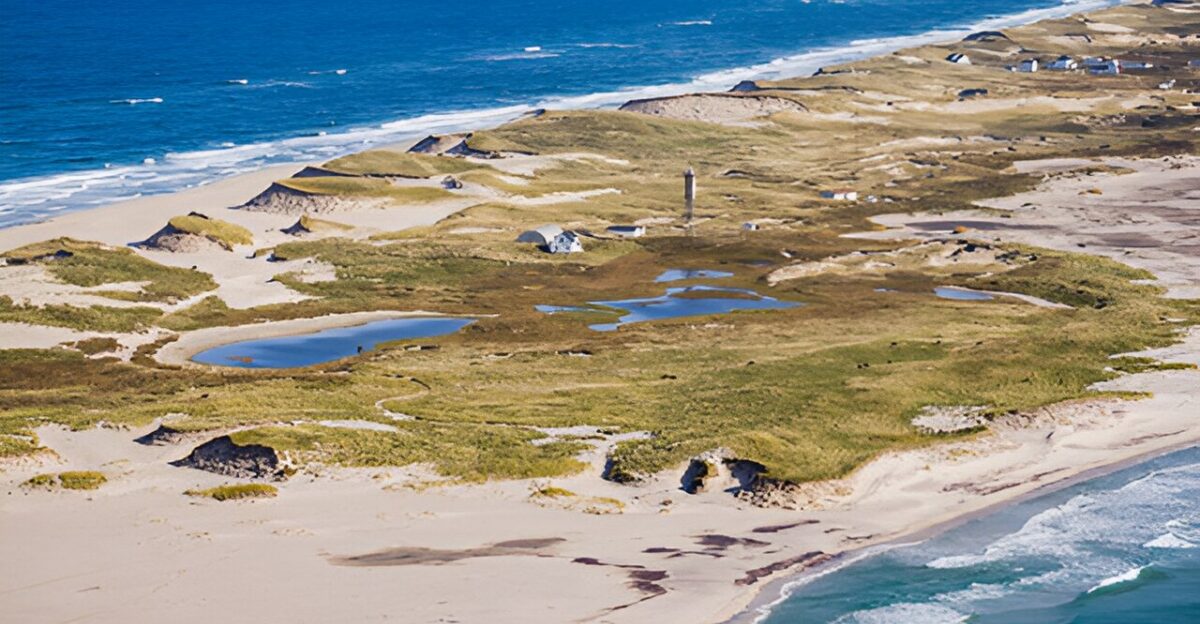
Sable Island receives approximately 806 visitors annually, making any discovery there exceptionally rare. Known as the “Graveyard of the Atlantic,” with over 350 recorded shipwrecks since 1583, this remote sandbar sits 300 kilometers southeast of Halifax. Parks Canada officials say recent climate patterns have increased storm activity, potentially exposing long-buried artifacts across the island’s constantly shifting sands.
The Ancient History Behind Messages in Bottles Will Surprise You
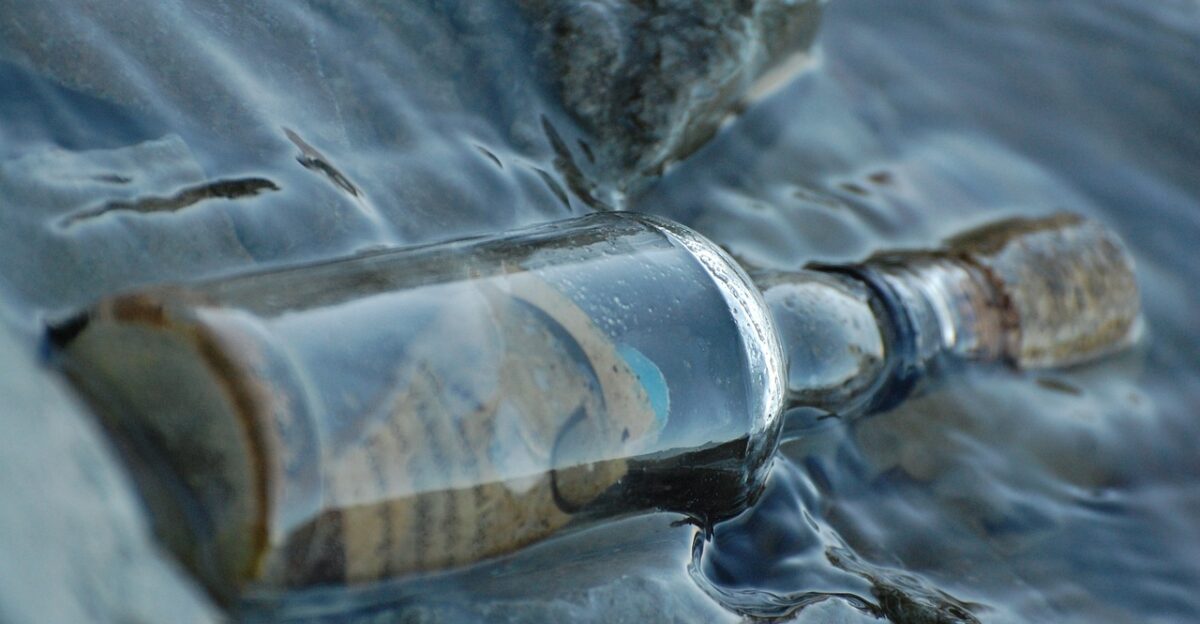
Messages in bottles date back to 310 BC, when the Greek philosopher Theophrastus used them to study Mediterranean currents. Queen Elizabeth I even appointed an official “Uncorker of Ocean Bottles” in the 1500s, decreeing death penalties for unauthorized opening. National Geographic researchers note that these maritime time capsules have served scientific research, distress signals, and human connection across centuries of ocean exploration.
Scientists Still Use This 2,000-Year-Old Research Method
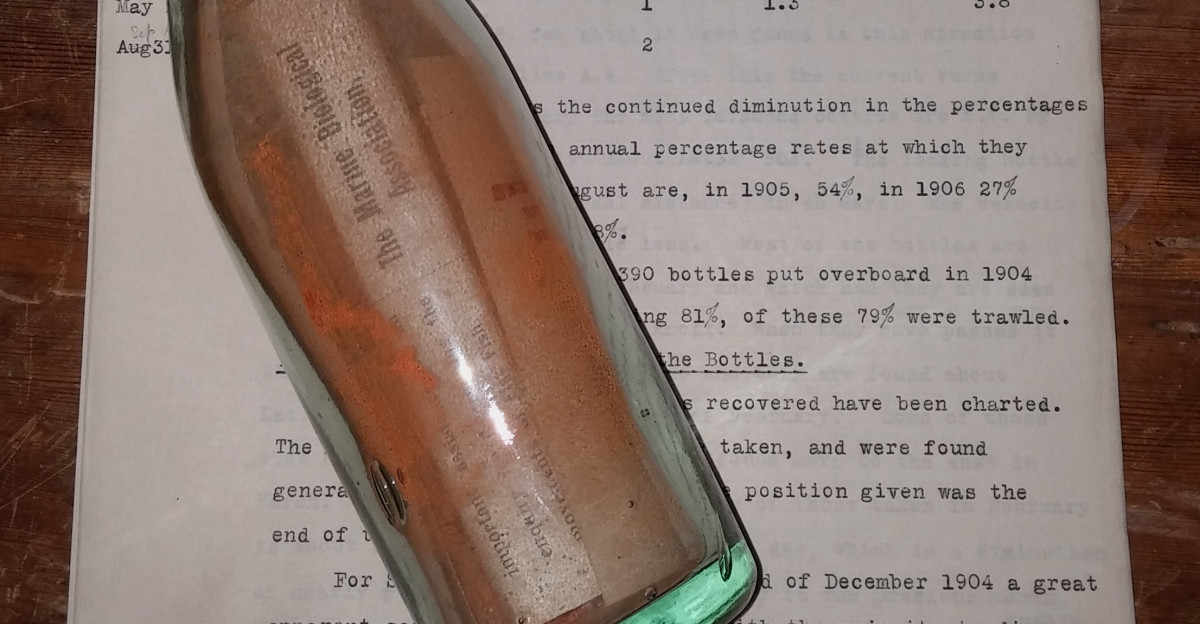
Between 1904 and 1906, British marine biologist George Parker Bidder released over 1,000 bottles into the North Sea for current studies, achieving a 55% return rate. Modern oceanographers have deployed 3,800 sophisticated “Argo floats” worldwide, but Live Science reports that traditional bottle messages still provide valuable drift pattern data. The simplicity of glass containers makes them surprisingly effective research tools.
What They Found Inside This 42-Year-Old Bottle Changes Everything
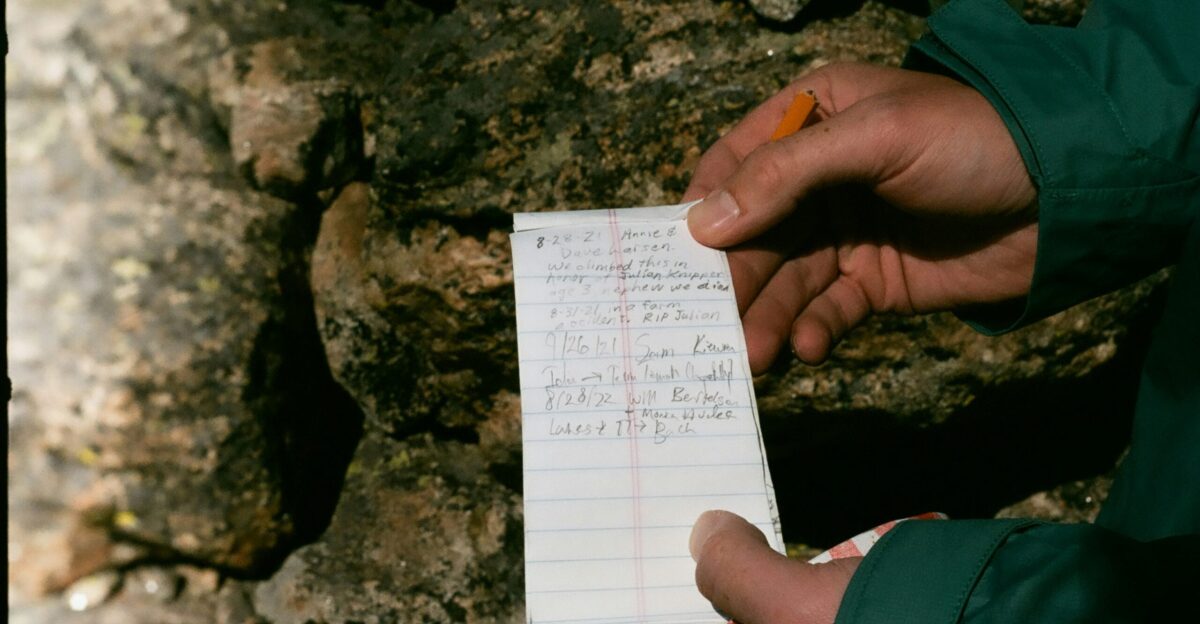
On May 23, 2025, archaeology technician Mark Doucette from Potlotek First Nation discovered a gin bottle on Sable Island containing a message dated January 14, 1983. Fox News confirmed the note originated from the British supply ship Wimpey Sea Hunter, which operated near offshore oil platforms. Researchers found faded writing and a 1974 Canadian two-dollar bill featuring young Queen Elizabeth II inside.
Why This Island Becomes a Natural Time Capsule for Lost Objects
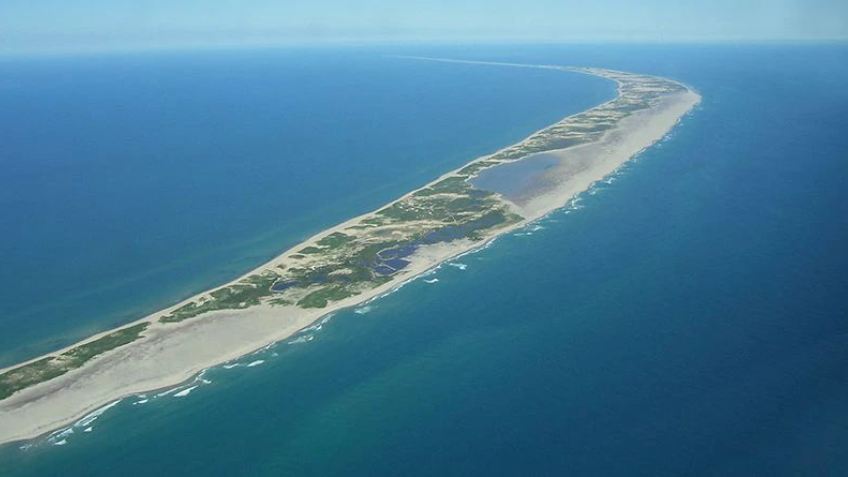
Due to its crescent-shaped geography and position within major Atlantic currents, Sable Island serves as a natural debris collector. The Labrador Current and Gulf Stream convergence create unique preservation conditions where items can remain buried in protective sand layers for decades. Parks Canada representatives report that everything from televisions to refrigerators is regularly washed ashore on this remote outpost.
The Moment They Opened the Bottle After 42 Years Was Unforgettable
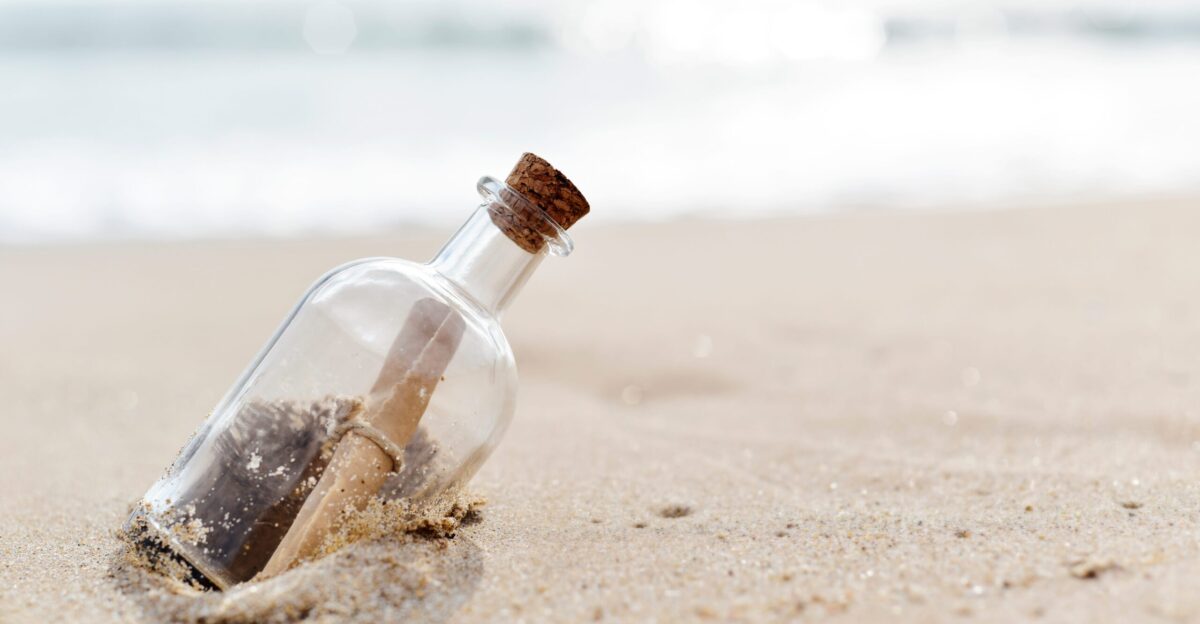
“Well, first off, you could still smell the gin!” recalled Parks Canada representative Jennifer Nicholson about opening the decades-old bottle. “Even 40 years later, that hadn’t faded,” she told Fox News. The discovery became a celebratory event with eight island staff members gathering for the unveiling, treating each message-in-bottle find as a special occasion connecting past and present.
The Ship That Started This Ocean Journey Has Its Own Fascinating Story
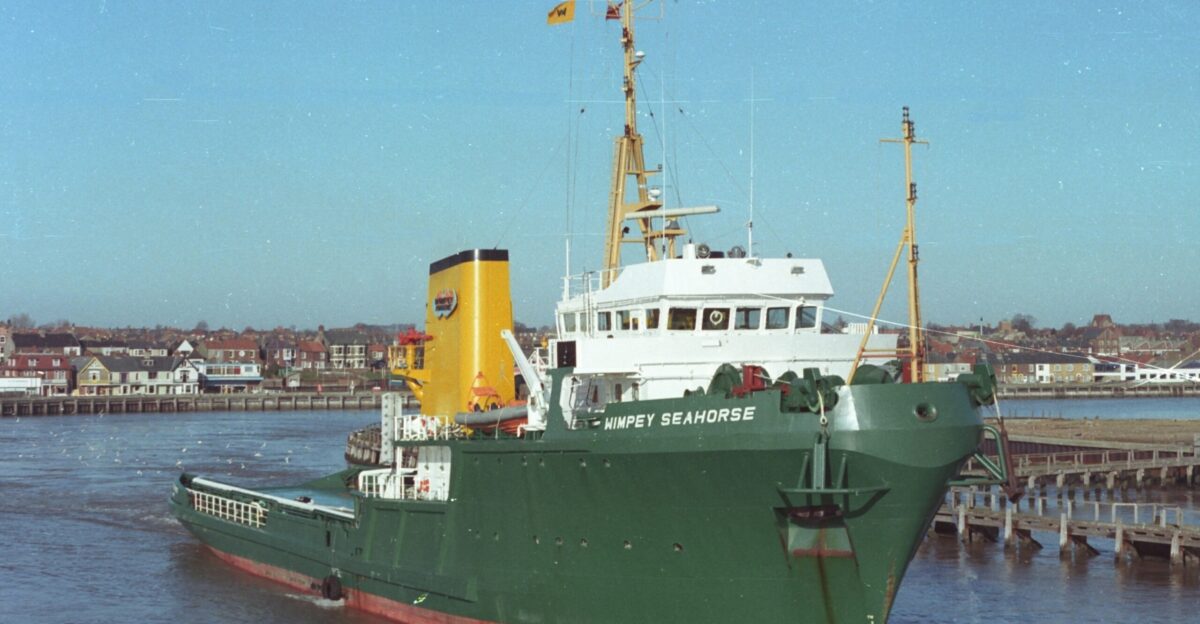
The Wimpey Sea Hunter was a 1,275-ton British supply vessel built in Devon in 1982 for offshore oil operations. During the early 1980s, numerous supply ships serviced North Atlantic drilling platforms, creating a busy maritime highway past Sable Island. Memorial University’s Maritime History Archive shows these vessels regularly carried provisions, equipment, and personnel to remote drilling sites throughout harsh Atlantic conditions.
Modern Ocean Research Still Relies on This Ancient Technique

Contemporary ocean current studies utilize satellite-tracked drift bottles and sophisticated GPS devices to monitor plastic pollution movement and climate change impacts. The traditional message-in-bottle method provides ground-truth data for computer models predicting everything from pollutant dispersal to marine debris patterns. Australian Geographic notes that scientists still value these simple tools for long-term circulation studies.
The Hidden Treasure Inside Made This Discovery Even More Special
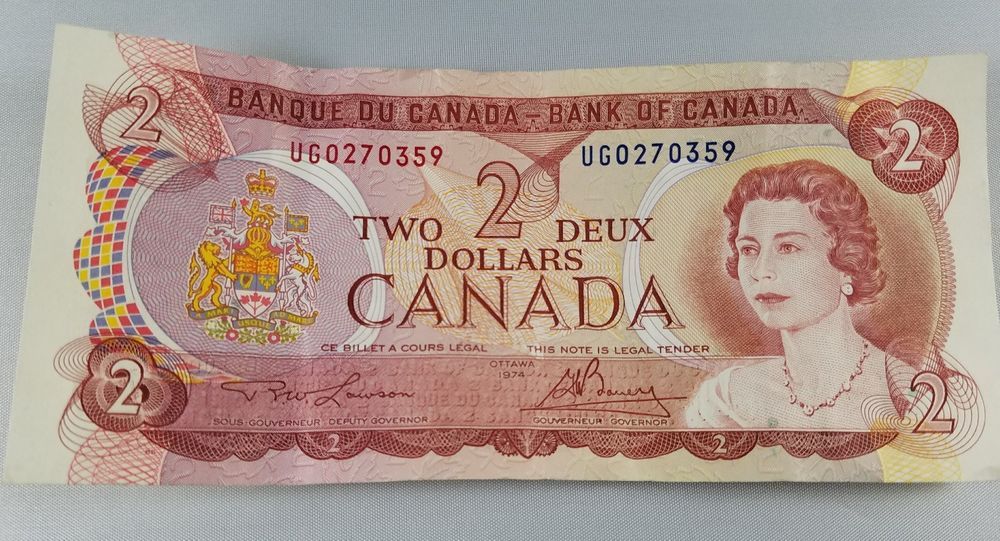
The accompanying 1974 two-dollar bill created additional intrigue, as Canada discontinued these bills in 1996, replacing them with coins. Houston Herald reports that some Sable Island staff had never seen physical two-dollar bills, making this artifact a dual historical curiosity. The bill featured Queen Elizabeth II’s portrait from her younger years, representing both monetary and royal history spanning decades.
The Search for the Original Crew Members Hits a Dead End
Parks Canada archaeologists struggled to trace the Wimpey Sea Hunter’s crew members listed on the message’s reverse side. Despite extensive research, no contact has been established with former crew members after four decades. Telegrafi reports the organization publicly appealed: “If they’re out there, we’d love to hear from them!” highlighting the human stories behind maritime discoveries.
How the Gin Helped and Hurt This Historical Message
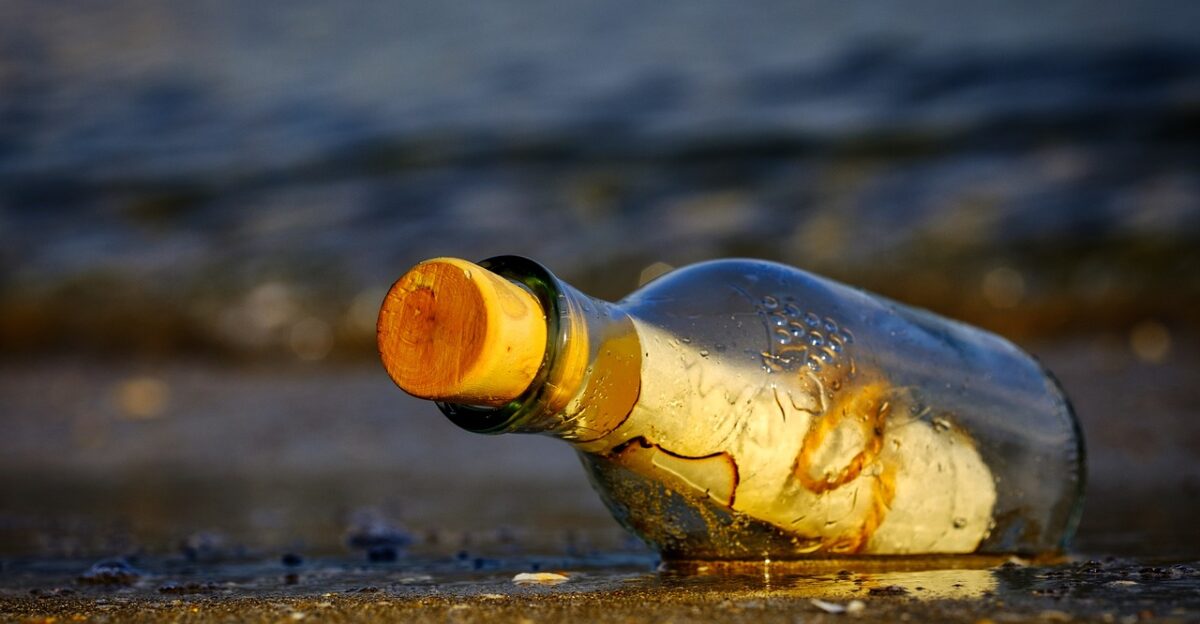
The gin inside the bottle had dissolved some ink, making portions of the handwritten message nearly illegible. However, CBC News discovered that pen impressions became visible as the damp paper dried, revealing additional text details. This preservation phenomenon demonstrates how alcohol can damage and protect historical documents in marine environments over extended periods.
The Proper Way to Handle a 42-Year-Old Ocean Discovery
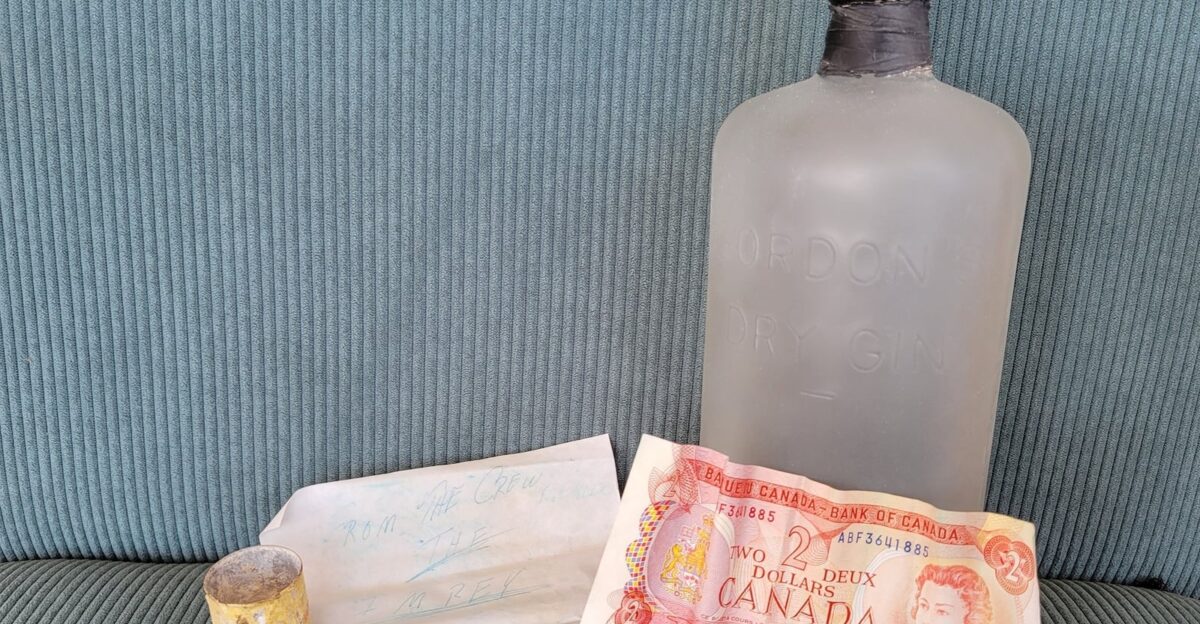
Following Parks Canada guidelines, the bottle and contents were carefully documented and sent to official archives for permanent preservation. Archaeological technician Mark Doucette followed proper Mi’kmaw cultural protocols during the discovery process. The Kwilmu’kw Maw-klusuaqn Archaeological Research Division confirms the find contributes to ongoing maritime heritage research documenting Atlantic Canada’s offshore industrial history.
What Maritime Experts Think About This Rare Find
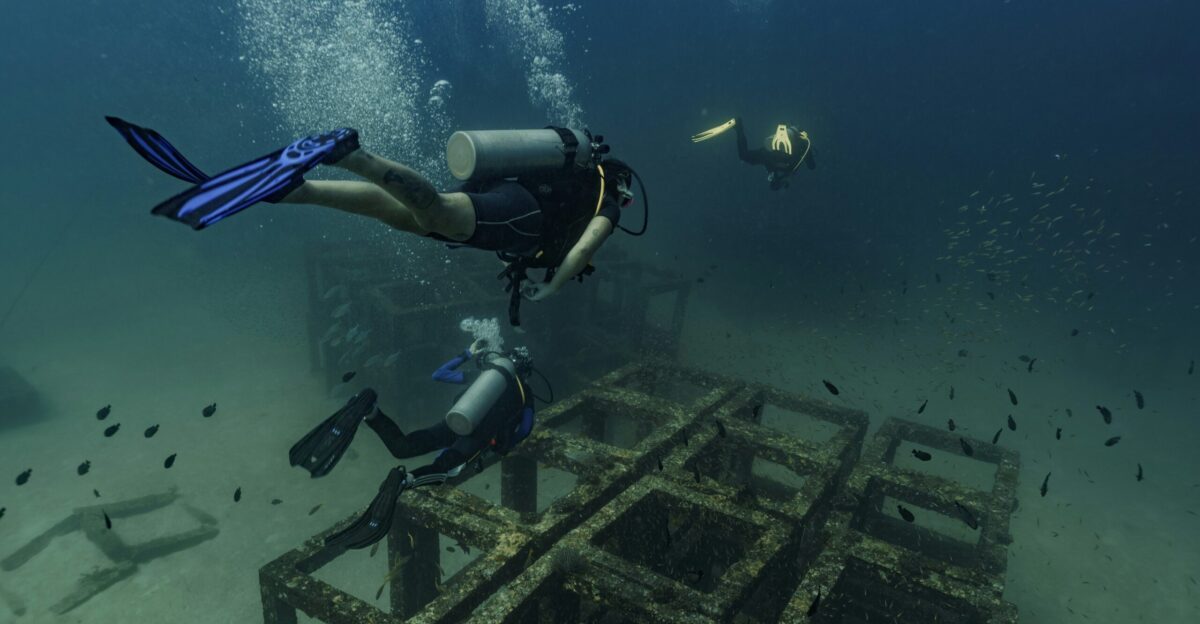
Maritime archaeologists note that shipwrecks and marine artifacts serve as “time capsules,” providing insights into past commercial activities, trade routes, and daily life. However, the 42-year journey represents relatively recent history compared to centuries-old discoveries. Times of Israel experts emphasize the rarity of finding intact messages with readable content after decades of exposure at sea.
What Other Secrets May Be Hidden in These Shifting Sands
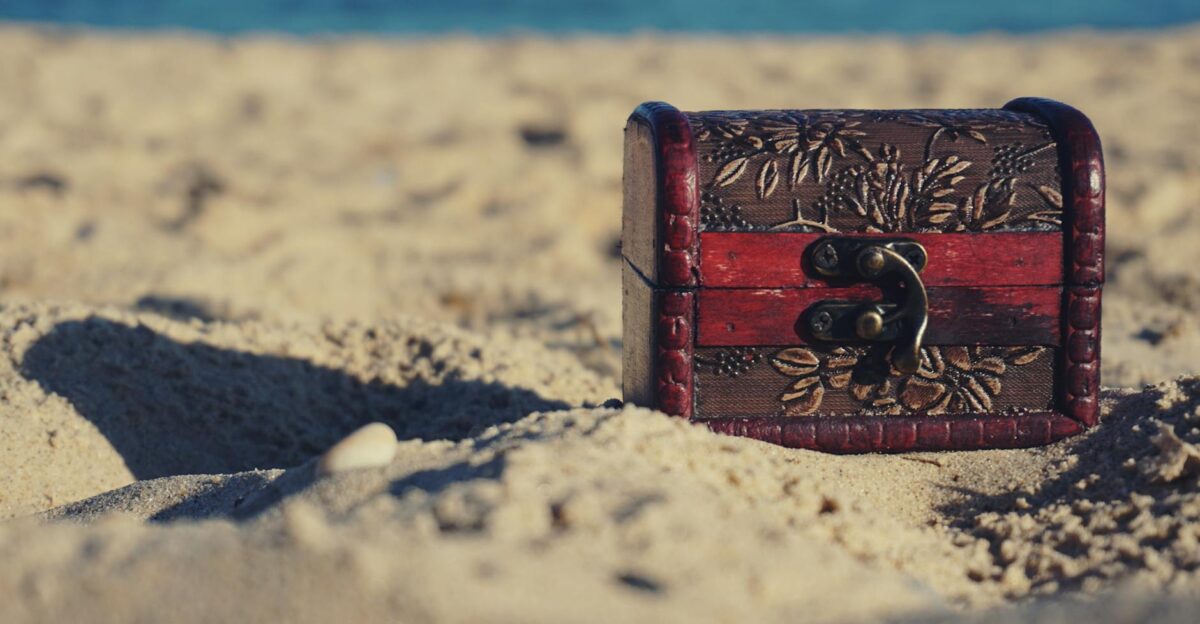
This discovery raises questions about what other historical artifacts might emerge from Sable Island’s shifting sands as climate change accelerates coastal erosion patterns. Will increased storm activity expose more buried maritime heritage? Islands.com suggests the island’s unique position makes it a potential treasure trove for future archaeological discoveries waiting to surface.
How This Discovery Highlights a Growing Environmental Problem
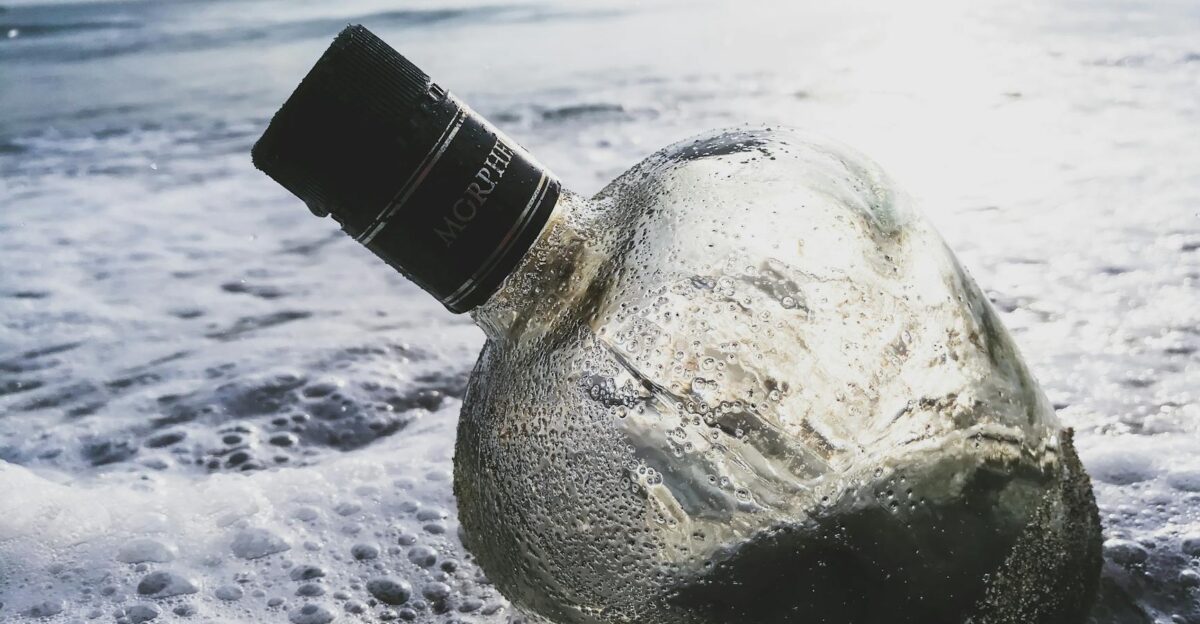
The discovery highlights growing concerns about ocean pollution and marine debris accumulation in sensitive ecosystems. While historical messages provide scientific value, contemporary environmentalists advocate biodegradable alternatives to glass bottles. NOAA’s Marine Debris Program confirms that international maritime law now prohibits deliberately dumping materials into ocean waters.
Similar Discoveries Around the World Create Global Connections
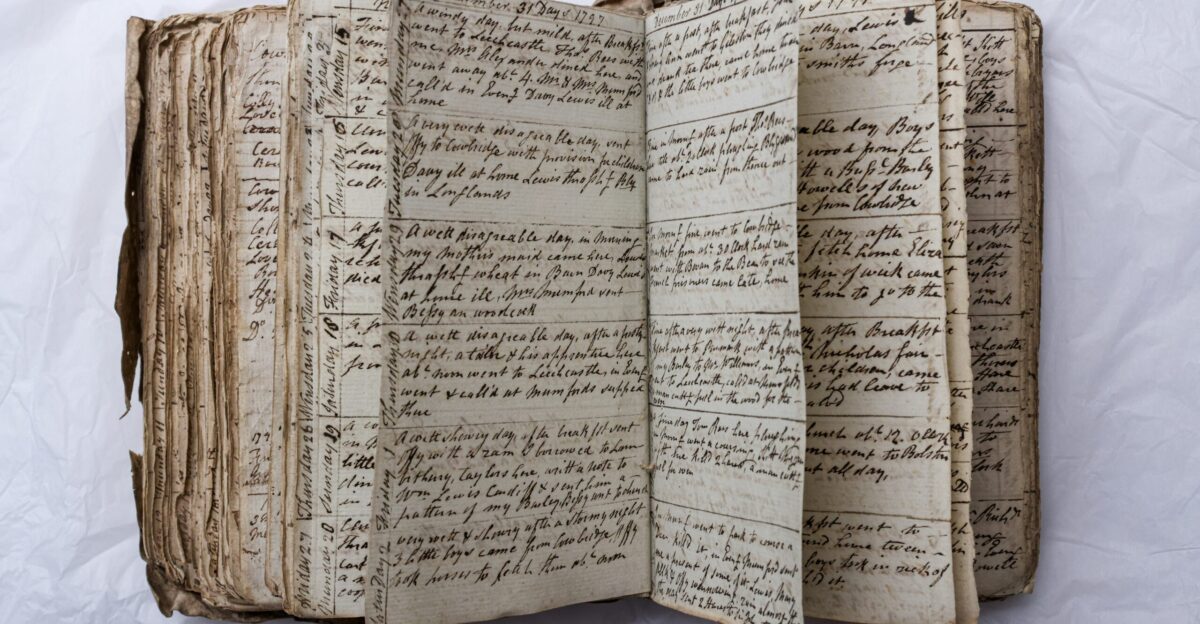
Similar message-in-bottle discoveries occur globally, with recent finds including 132-year-old notes from German oceanographic experiments and 200-year-old archaeological messages in France. BBC News and Popular Mechanics report these discoveries create international connections between researchers, fostering collaborative studies of ocean circulation patterns and maritime heritage preservation across national boundaries.
Why Indigenous Involvement Makes This Discovery Even More Meaningful

The discovery occurred within Mi’kmaw traditional territory, emphasizing the importance of Indigenous involvement in archaeological research. Mark Doucette’s role as a Potlotek First Nation archaeology technician represents growing Indigenous participation in cultural heritage preservation. The Kwilmu’kw Maw-klusuaqn organization confirms this collaboration ensures respectful handling of discoveries within Mi’kma’ki territory.
The Romantic Appeal of Messages in Bottles Never Gets Old
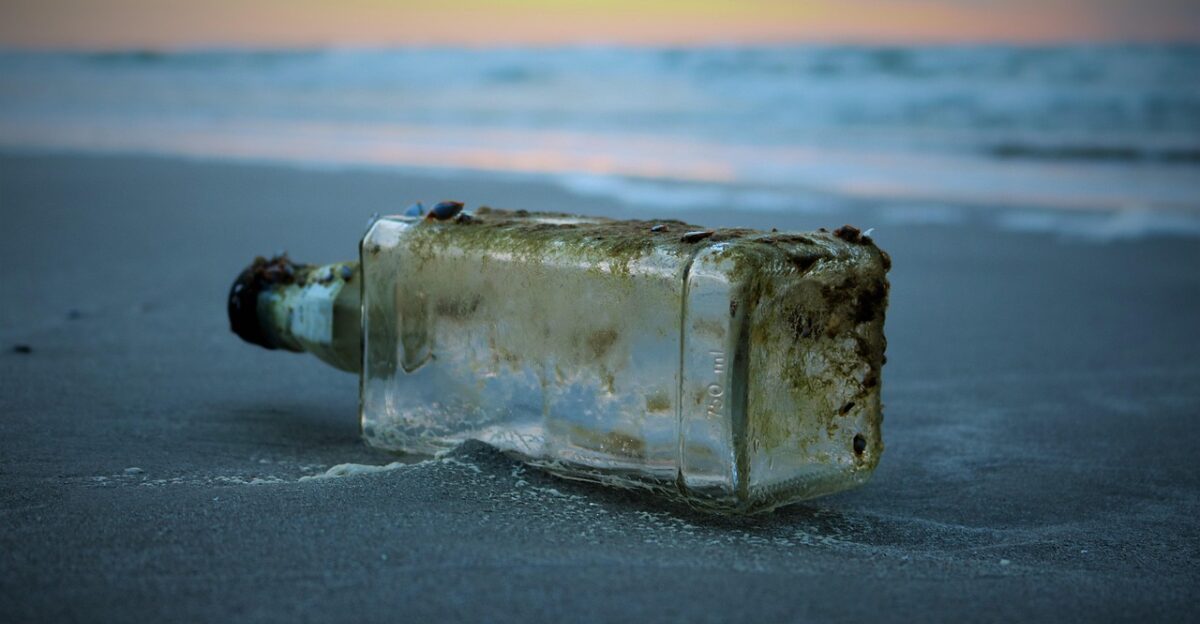
Messages in bottles capture public imagination through their romantic association with adventure, mystery, and human connection across vast distances and time. From ancient Greek experiments to modern scientific research, these simple vessels represent humanity’s enduring desire to communicate across oceanic barriers. Panama Jack notes that popular culture continues to celebrate these serendipitous discoveries that connect strangers across decades.
What This 42-Year Ocean Journey Really Tells Us About Ourselves
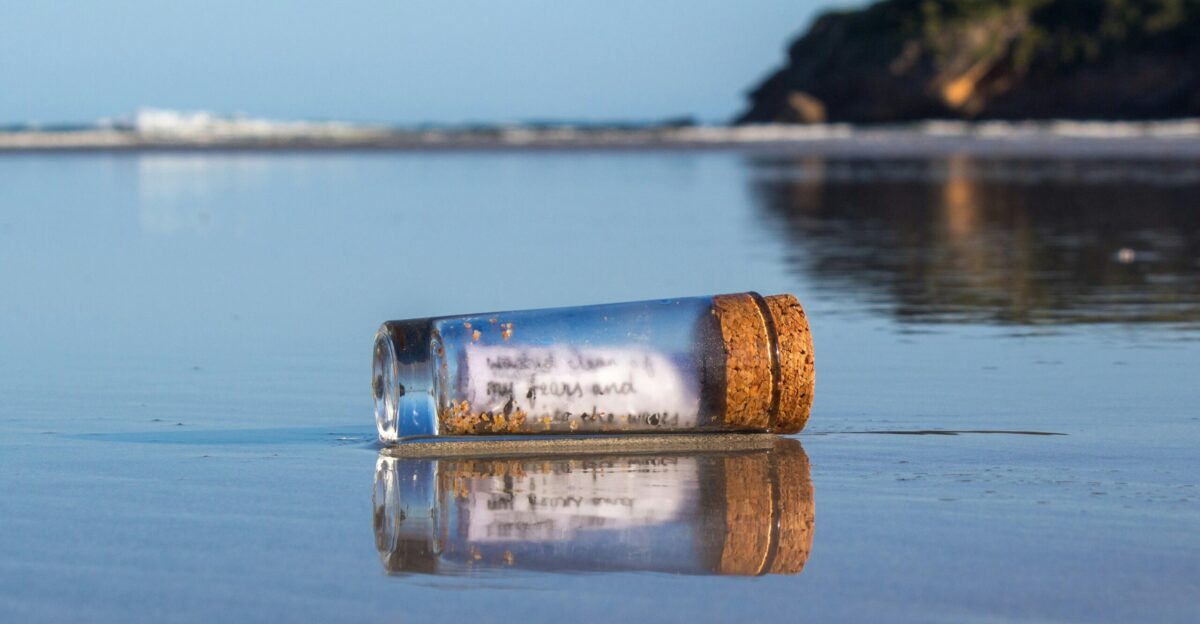
This remarkable journey from supply ship to archaeological discovery reflects our interconnected relationship with ocean environments and maritime heritage. As climate change reshapes coastlines and reveals buried histories, such finds remind us that every artifact carries human stories worth preserving. Maritime archaeology experts suggest the ocean continues yielding its secrets to those patient enough to listen and protect these connections to our past.