
A peaceful beach moment can turn criminal in seconds. Touching a manatee, sea turtle, or eagle may look harmless, but federal law says otherwise. Across all 50 states, strict wildlife protections impose fines up to $100,000 and prison time, even when animals approach first. These laws exist to stop extinction, not punish tourists. Here’s what’s really happening and why it matters.
Why Wildlife Contact Became A Federal Crime
Federal wildlife protection expanded rapidly in the 1970s as iconic species neared extinction. Bald eagles dropped from 412,000 to just 417 birds by 1963. Marine mammals were hunted relentlessly. Congress responded with sweeping laws criminalizing contact and harassment. Today, more than 1,500 species receive federal protection, and enforcement is far stricter than most travelers expect.
The Penalties Most Tourists Never Expect
Federal wildlife violations carry severe consequences. Touching protected animals can trigger fines up to $100,000 and 1 year in federal prison. Possessing a single eagle feather can bring identical penalties. State charges often stack. Intent does not matter. Even accidental contact qualifies, a legal reality that surprises first-time offenders nationwide.
Why Millions Risk Charges Every Single Year

Florida welcomes more than 130 million tourists annually near protected marine habitats. Hawaii attracts over 9 million visitors where endangered turtles and seals rest openly. California adds millions more encounters. Social media photos frequently become evidence. Enforcement rises yearly, transforming casual vacations into criminal investigations more often than most visitors realize.
Meet The 15 Animals With Federal No-Touch Rules
Fifteen animals carry some of the strictest protections in U.S. law. Touching any of them violates federal statutes with felony-level consequences. Some survived near extinction. Others remain critically endangered. All are protected because human interference threatens survival. The list begins with one of America’s most misunderstood marine mammals.
#1 Manatees
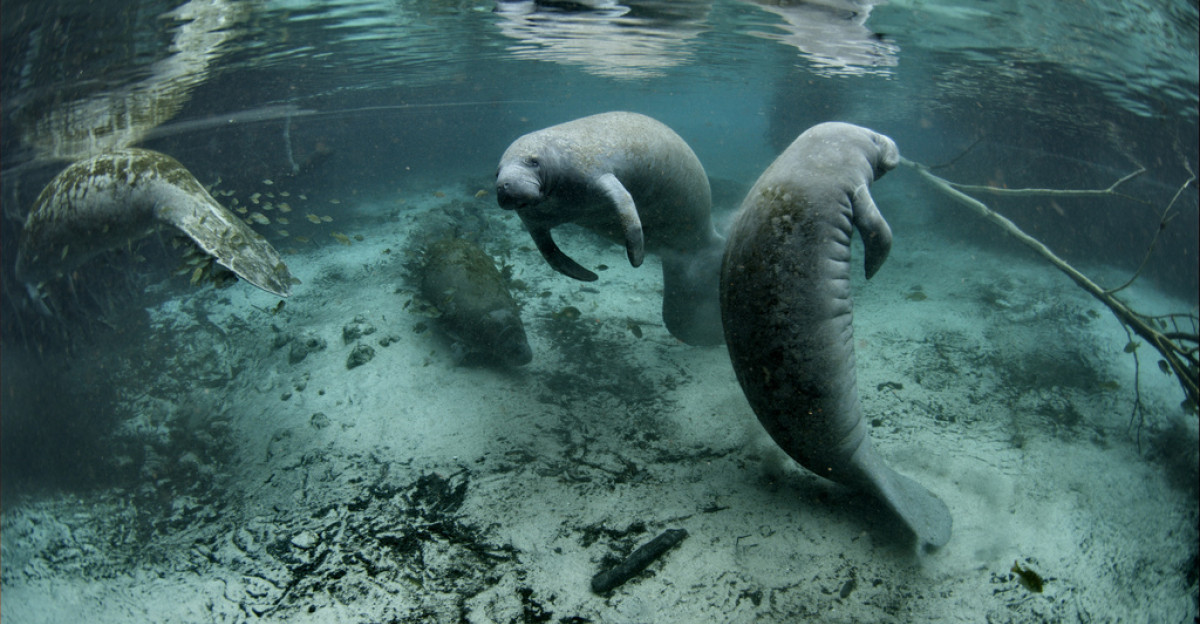
Manatees appear slow and friendly, making them the most commonly touched illegal animal. Protected under the Marine Mammal Protection Act, unauthorized contact carries fines up to $100,000 and 1 year in prison. Florida adds additional penalties. Stress from touch can cause fatal complications, which explains why enforcement remains aggressive statewide.
#2 Sea Turtles
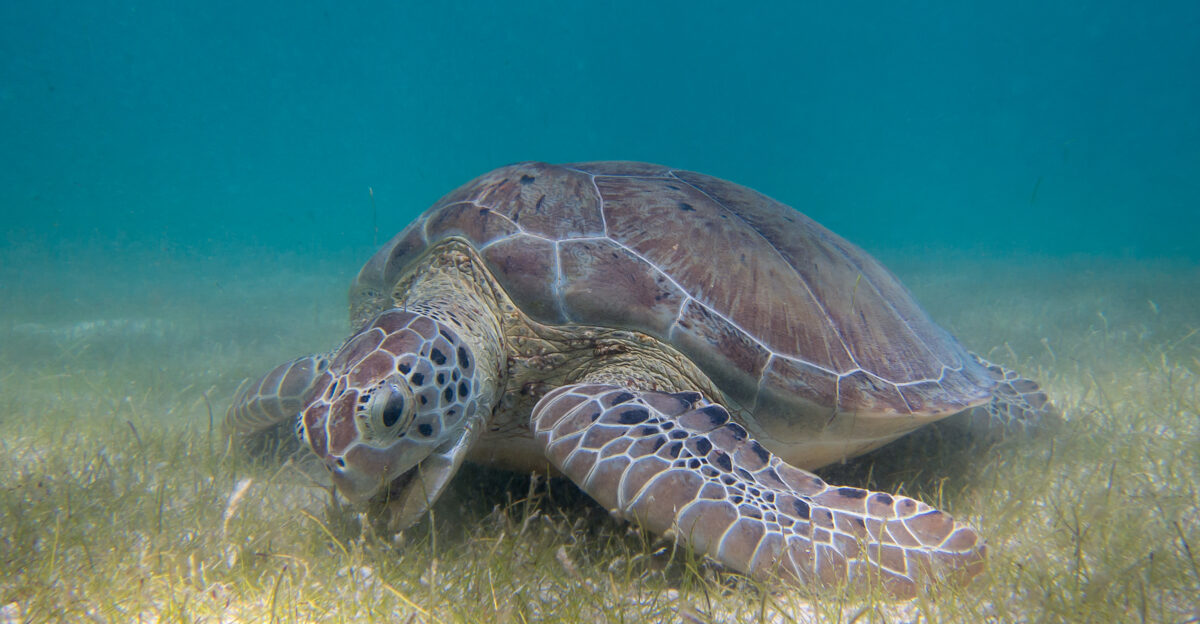
Sea turtles are protected under the Endangered Species Act. Touching, chasing, or restraining them can lead to $100,000 fines and 1 year in federal prison. Six of seven species face extinction risk. Nesting season violations are prosecuted aggressively, especially when photos or videos document human interference.
#3 Dolphins
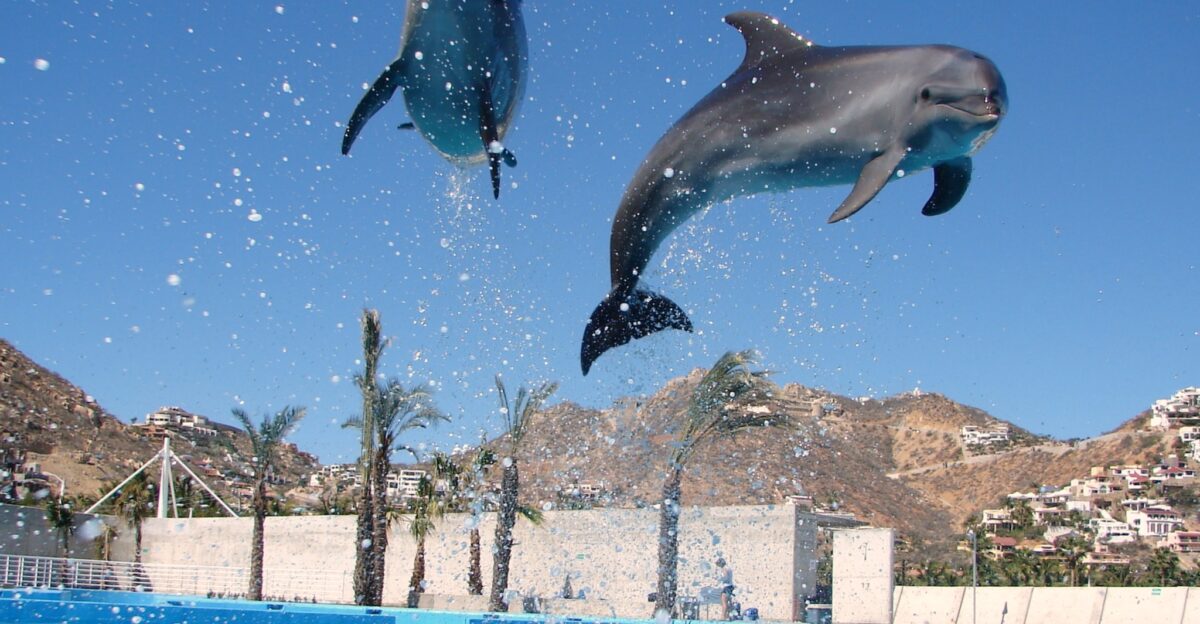
Dolphins seem friendly, but federal law bans all unauthorized interaction. Feeding, swimming with, or touching dolphins violates the Marine Mammal Protection Act. Penalties reach $100,000 and 1 year in prison. The rule applies even if dolphins approach first, a fact many charged tourists discover too late.
#4 Whales
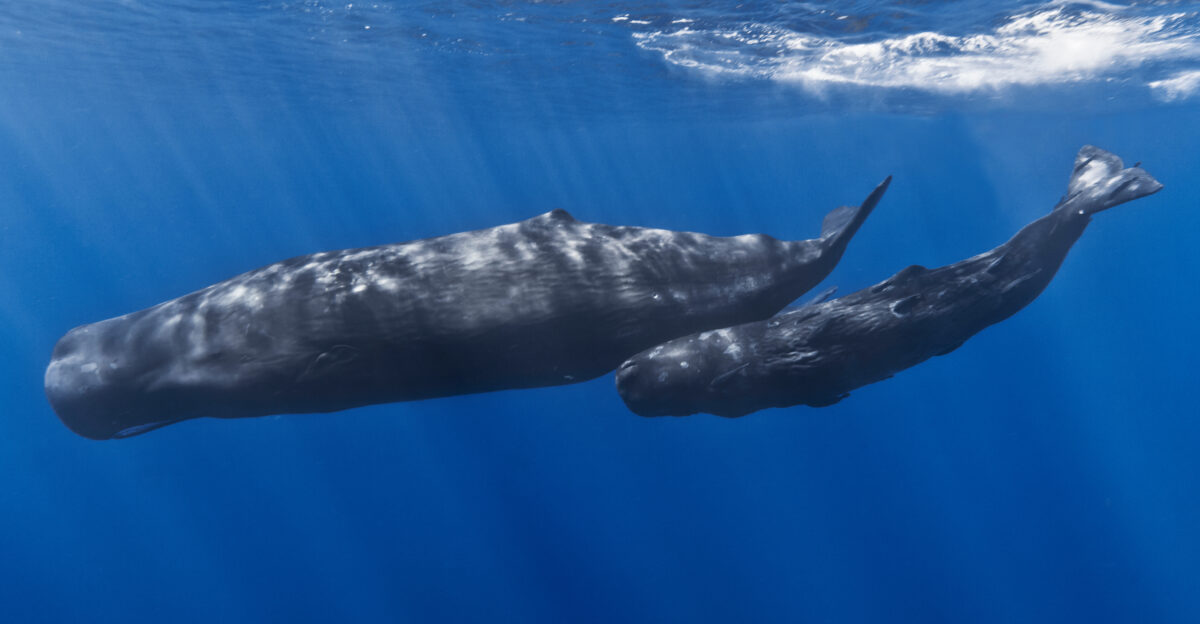
Whales receive overlapping protection under multiple federal laws. Boats must stay at least 100 yards away in most U.S. waters. Violations bring fines exceeding $100,000 and possible imprisonment. Whale-watching violations are prosecuted regularly, and private boaters often receive citations after encounters escalate unexpectedly.
#5 Porpoises
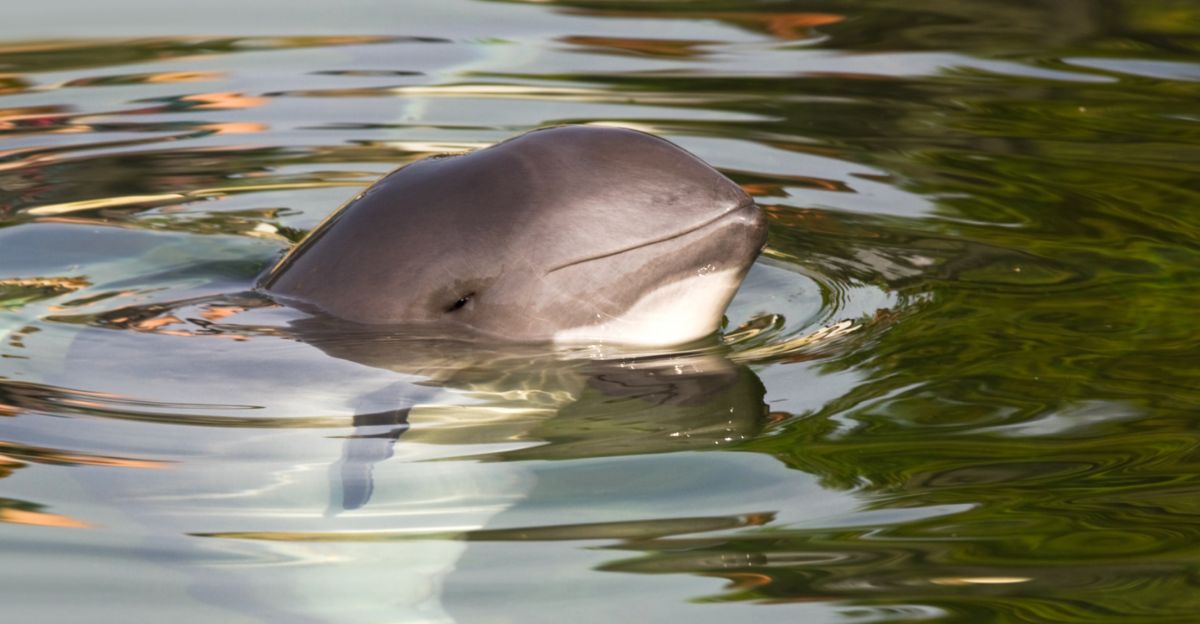
Porpoises are protected identically to dolphins and whales. Any intentional or negligent disturbance violates federal law. Criminal penalties reach $100,000 and 1 year imprisonment. These animals are extremely sensitive to noise and proximity. Even boat engines can trigger violations when enforcement determines harassment occurred.
#6 Seals
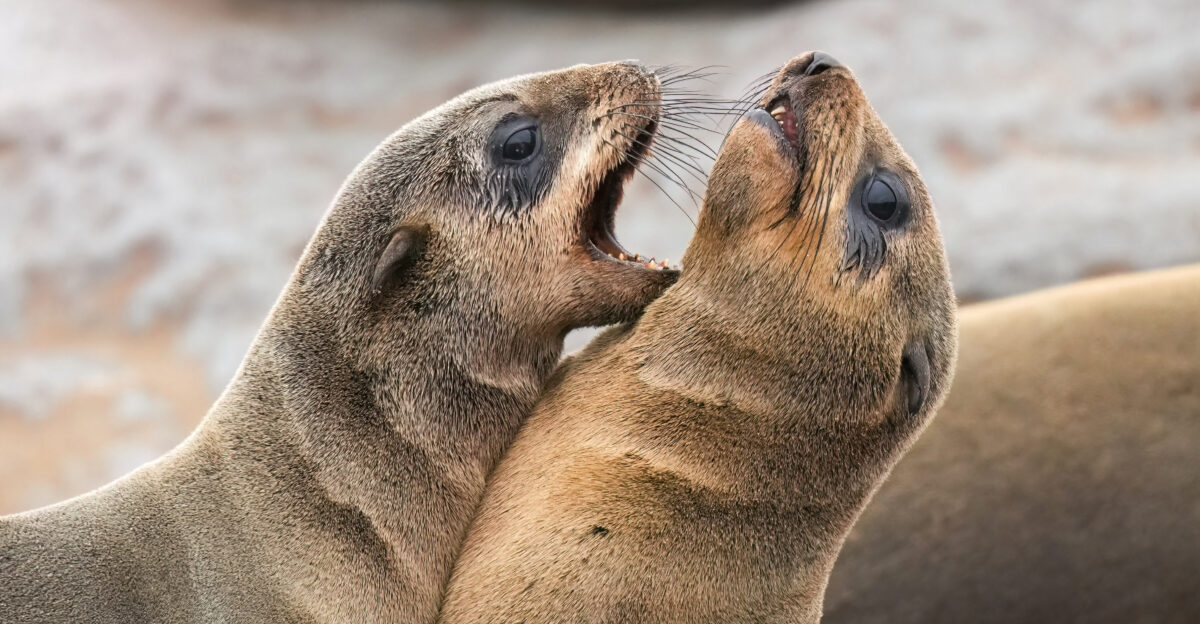
Seals frequently rest on beaches, drawing curious tourists dangerously close. Federal law prohibits approaching most seal colonies within 150 feet. Touching seal pups triggers priority enforcement. Penalties reach $100,000 and 1 year imprisonment. California, Maine, and Alaska report frequent prosecutions tied to selfies and photos.
#7 Sea Lions
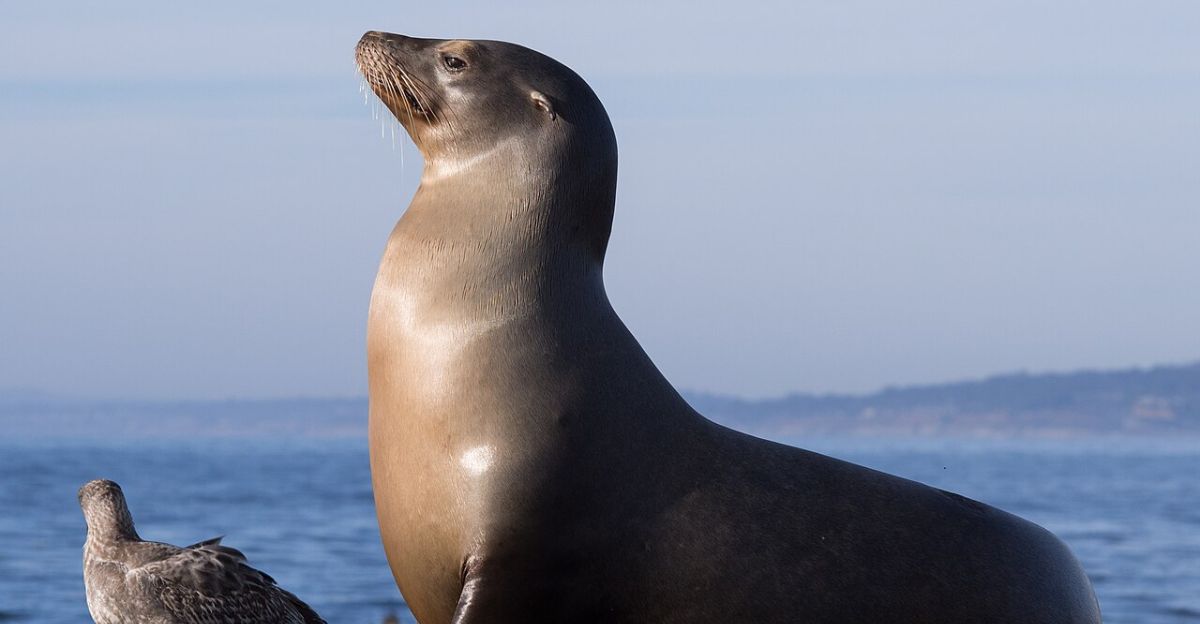
Sea lions are playful and intelligent, but touching them is a federal crime. The Marine Mammal Protection Act imposes fines up to $100,000 and prison time. Feeding or approaching pups worsens penalties. Steller sea lions remain endangered, making enforcement especially strict across western coastal states.
#8 Sea Otters
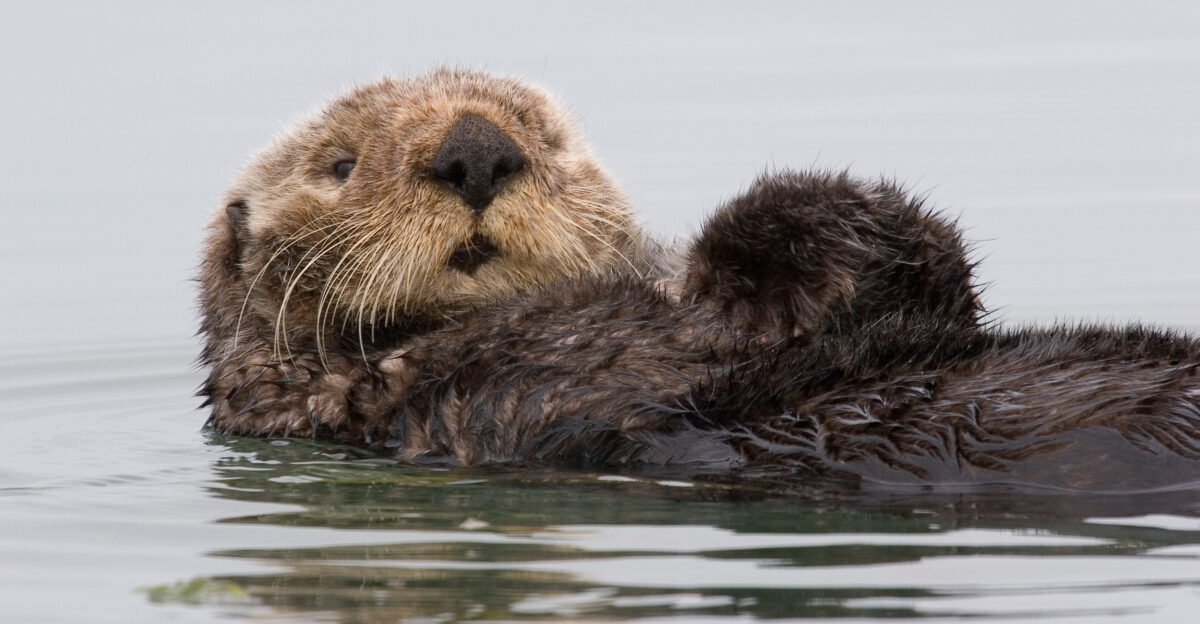
Sea otters were hunted to near extinction and remain fully protected. Touching, chasing, or approaching them violates federal law. Penalties reach $100,000 and 1 year imprisonment. Otters are keystone species whose survival impacts entire ecosystems, which is why kayakers and photographers face frequent enforcement actions.
#9 Bald Eagles
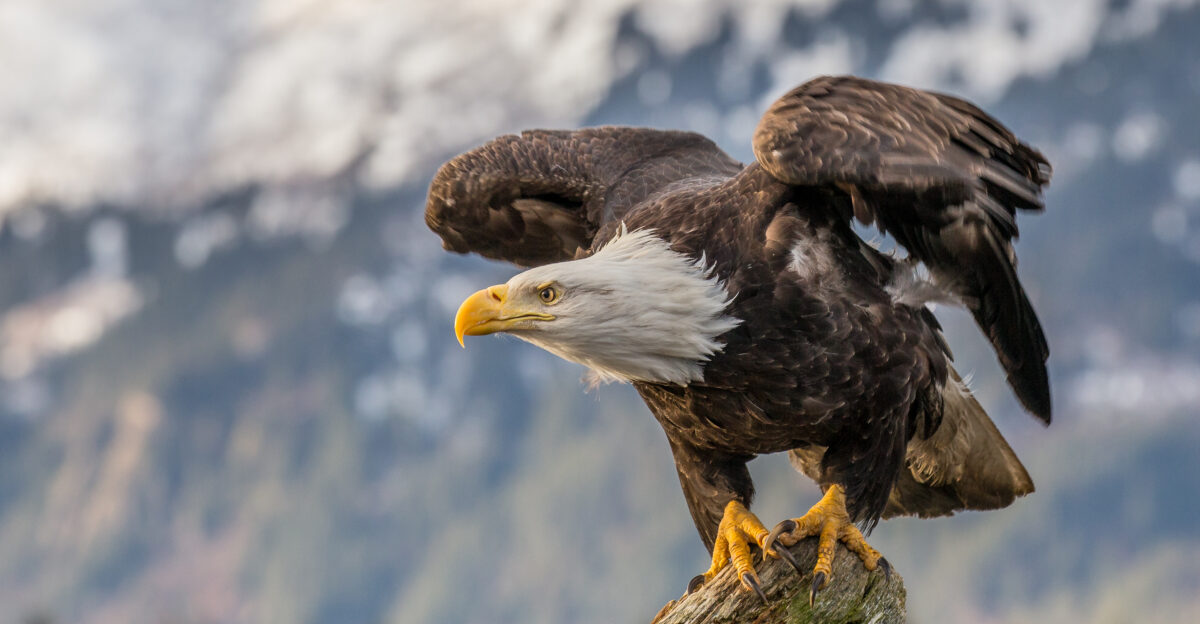
Bald eagles are protected under the Bald and Golden Eagle Protection Act. Touching an eagle, disturbing nests, or possessing feathers can trigger $100,000 fines and 1 year imprisonment. Organizations face $200,000 penalties. Recovery success did not reduce protection, a fact that surprises many collectors.
#10 Golden Eagles
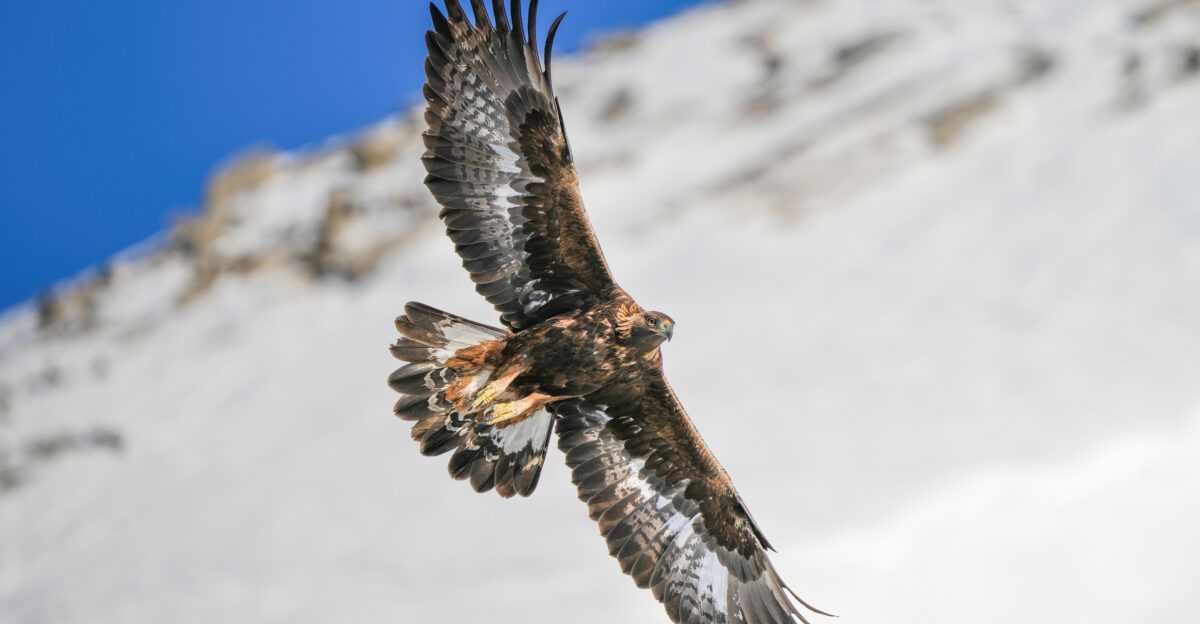
Golden eagles receive identical protection as bald eagles. Possessing feathers or disturbing nests violates federal law. Criminal penalties include $100,000 fines and prison time. Western states see aggressive enforcement due to ongoing population threats, even when contact appears accidental or feathers are found on trails.
#11 Gray Wolves
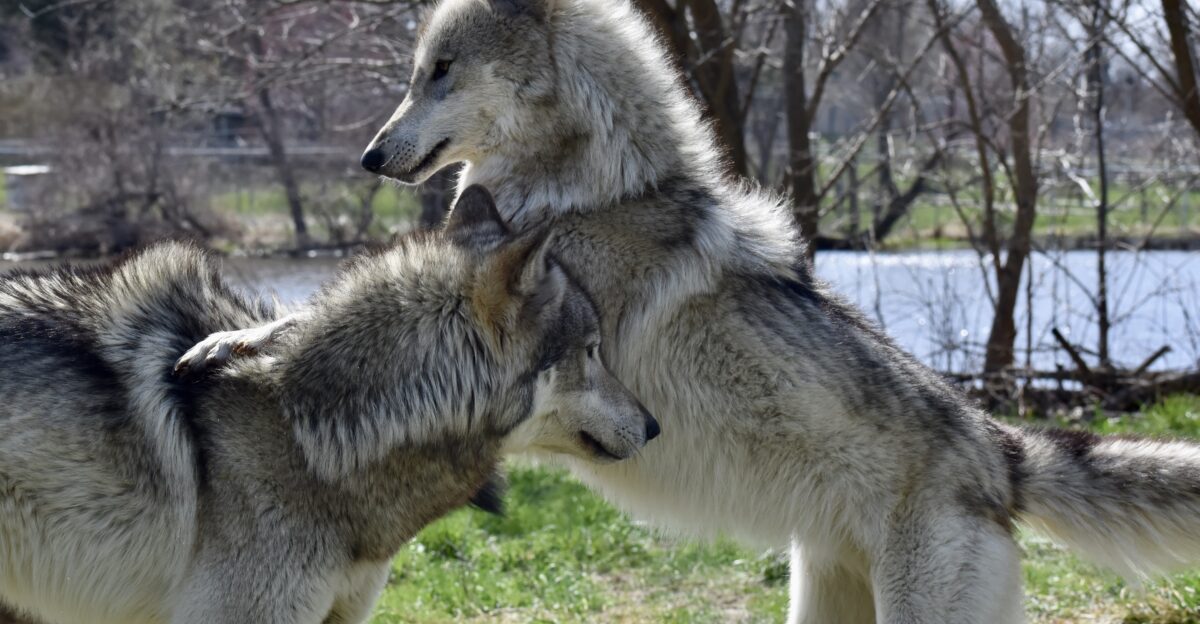
Gray wolves remain protected under the Endangered Species Act in most regions. Touching, approaching, or harassing wolves carries fines up to $50,000 and 1 year imprisonment. Photographers and hikers have been charged for close encounters, especially when pursuit or intentional proximity is documented clearly.
#12 Florida Panthers
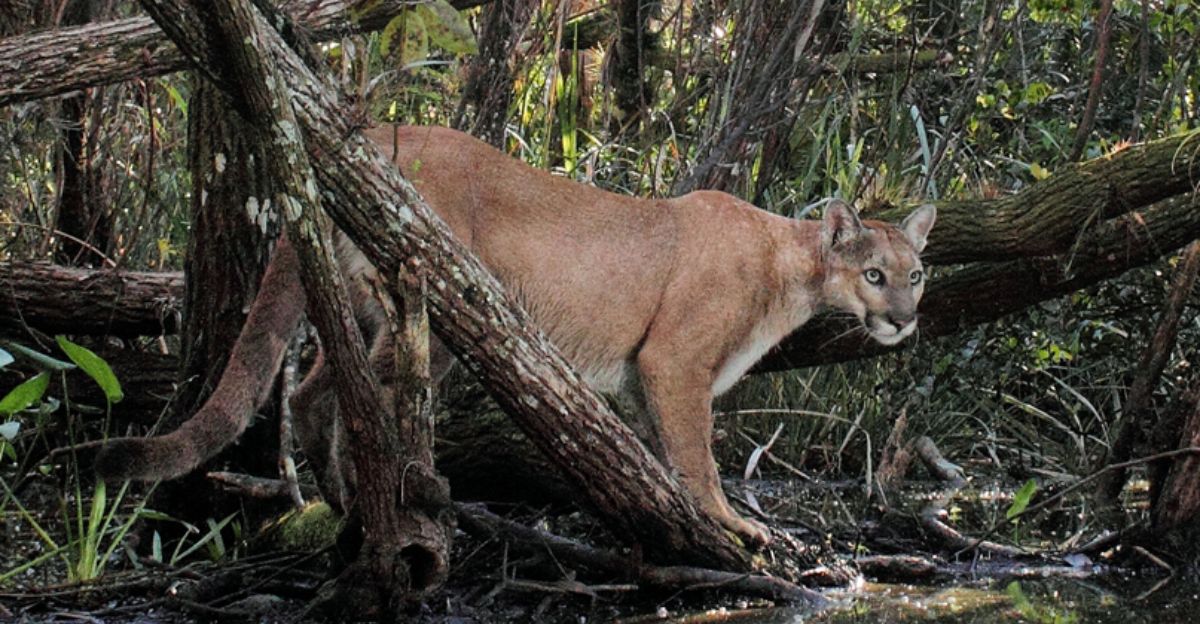
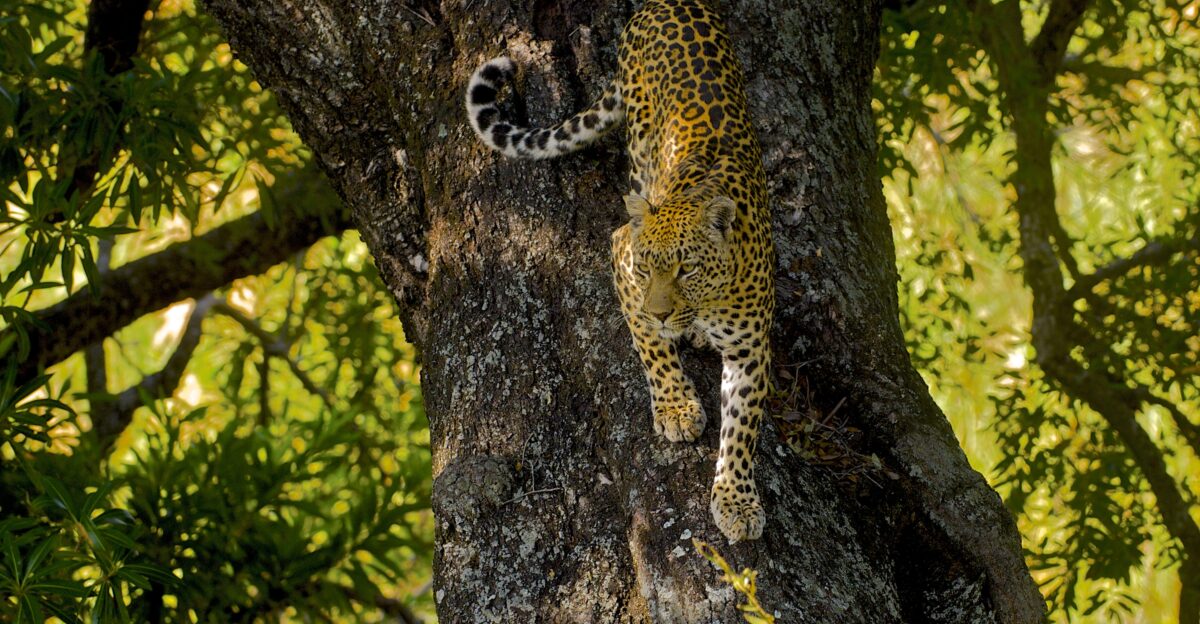
Fewer than 230 Florida panthers remain in the wild. Any human contact threatens survival. The Endangered Species Act imposes fines exceeding $50,000 and prison time. Approaching or intentionally observing panthers is illegal, prompting aggressive enforcement whenever sightings involve human interference or pursuit behavior.
#13 Grizzly Bears
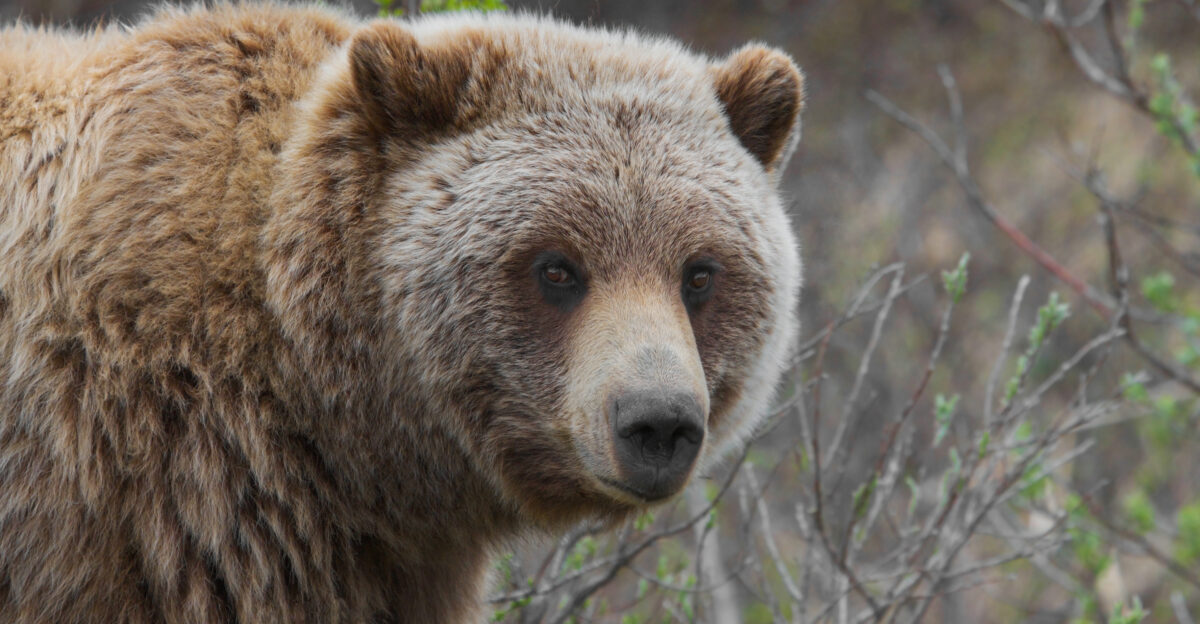
Grizzly bears are listed as threatened under federal law. Approaching, feeding, or collecting parts violates the Endangered Species Act. Penalties exceed $50,000 and include prison time. Grizzly encounters are dangerous and illegal simultaneously, making enforcement strict in Rocky Mountain and Alaska regions.
#14 Alligator Snapping Turtles
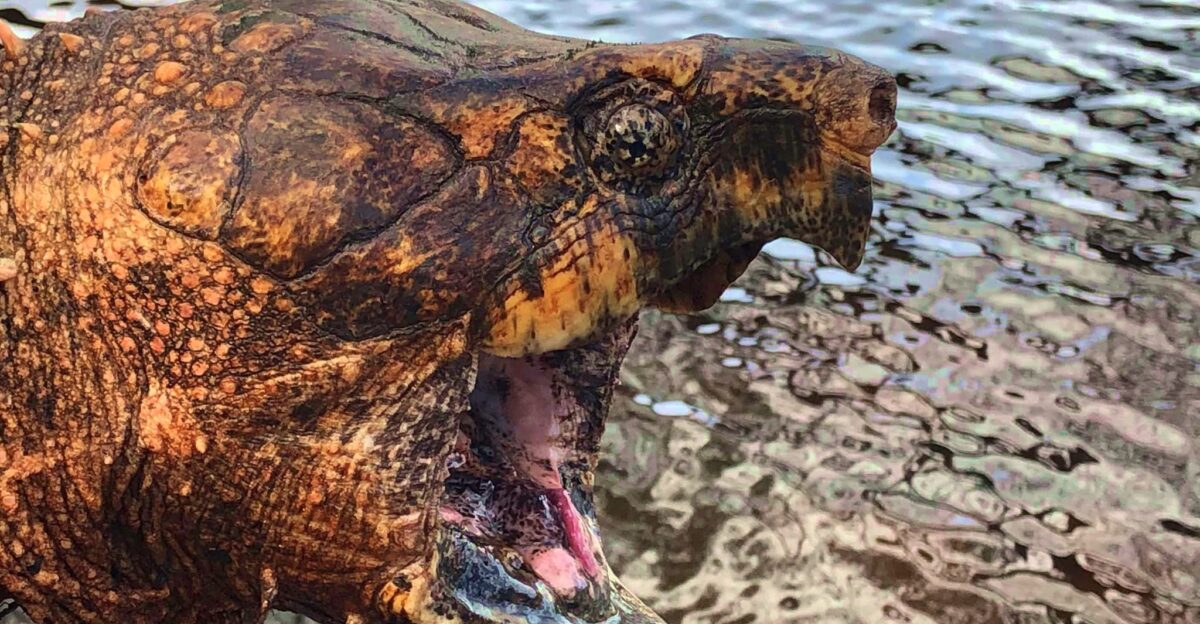
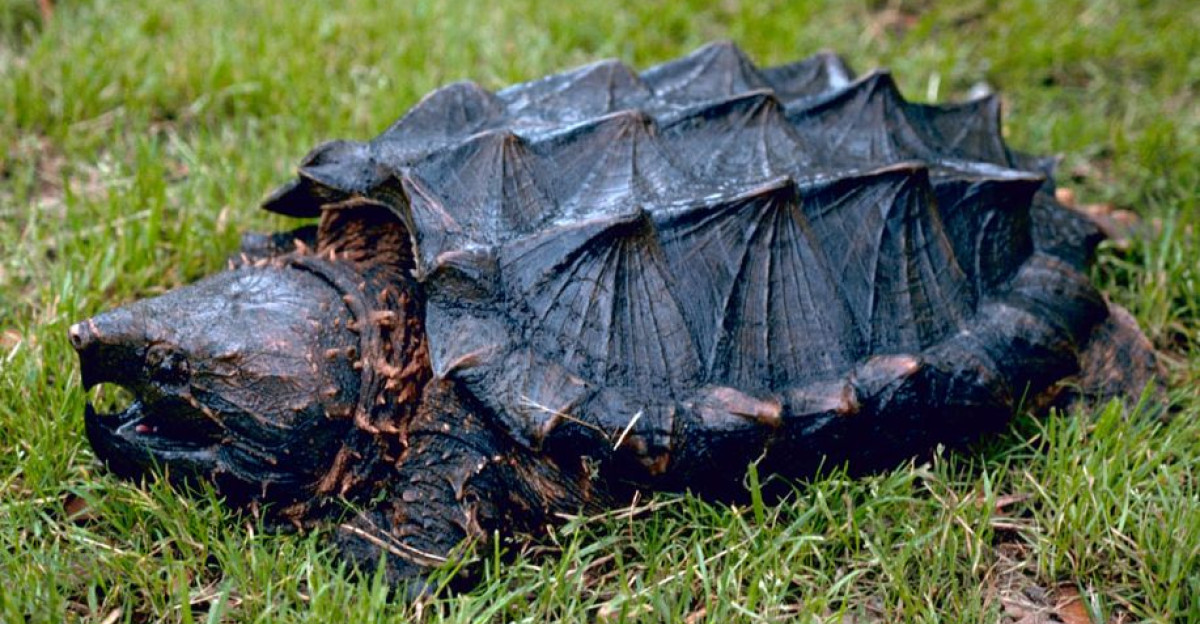
Alligator snapping turtles gained federal protection in 2024 after rapid population declines. Touching, capturing, or possessing them is now illegal. Penalties include $50,000 fines and prison time. Enforcement has intensified since listing, surprising collectors and outdoor enthusiasts unfamiliar with the updated federal status.
#15 Hawaiian Monk Seals
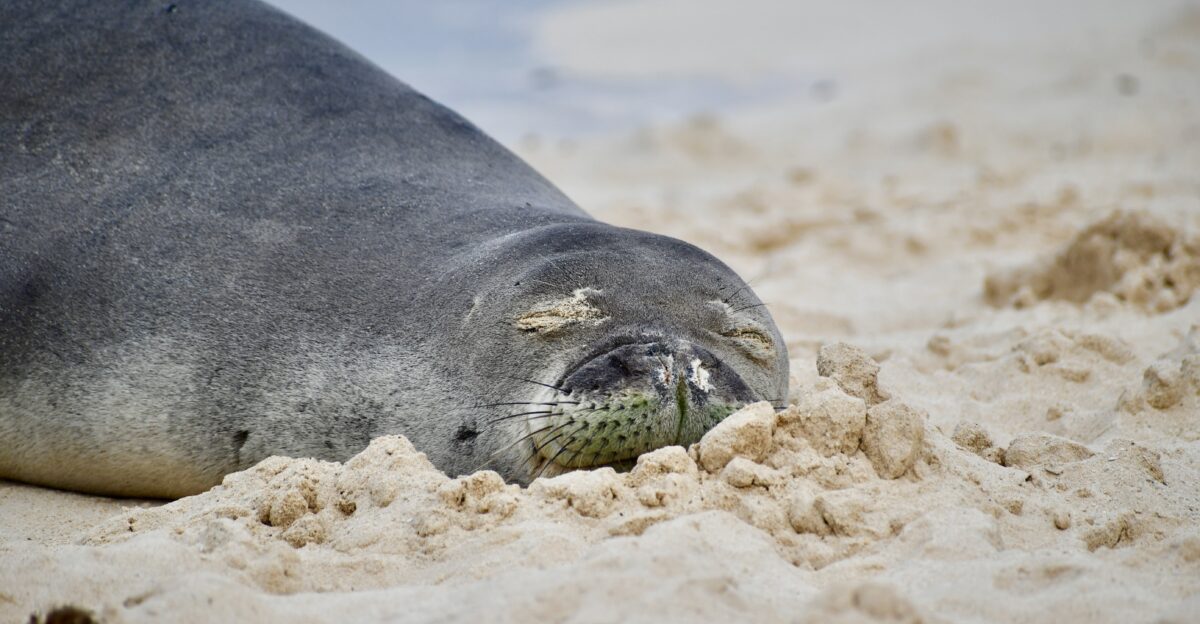
Hawaiian monk seals are the most endangered marine mammal in U.S. waters, with fewer than 1,400 remaining. Federal law bans all contact. Penalties reach $100,000 and 1 year imprisonment. Tourists are frequently charged for approaching or feeding seals, making retreat the only legal option.
The Legal Bottom Line For Wildlife Encounters
These 15 animals represent America’s strongest conservation laws. Touching any of them violates federal statutes, regardless of intent. Fines range from $50,000 to $100,000, often with prison time. State penalties frequently stack. Enforcement increases yearly. Admire wildlife from legal distances. Your freedom depends on it.