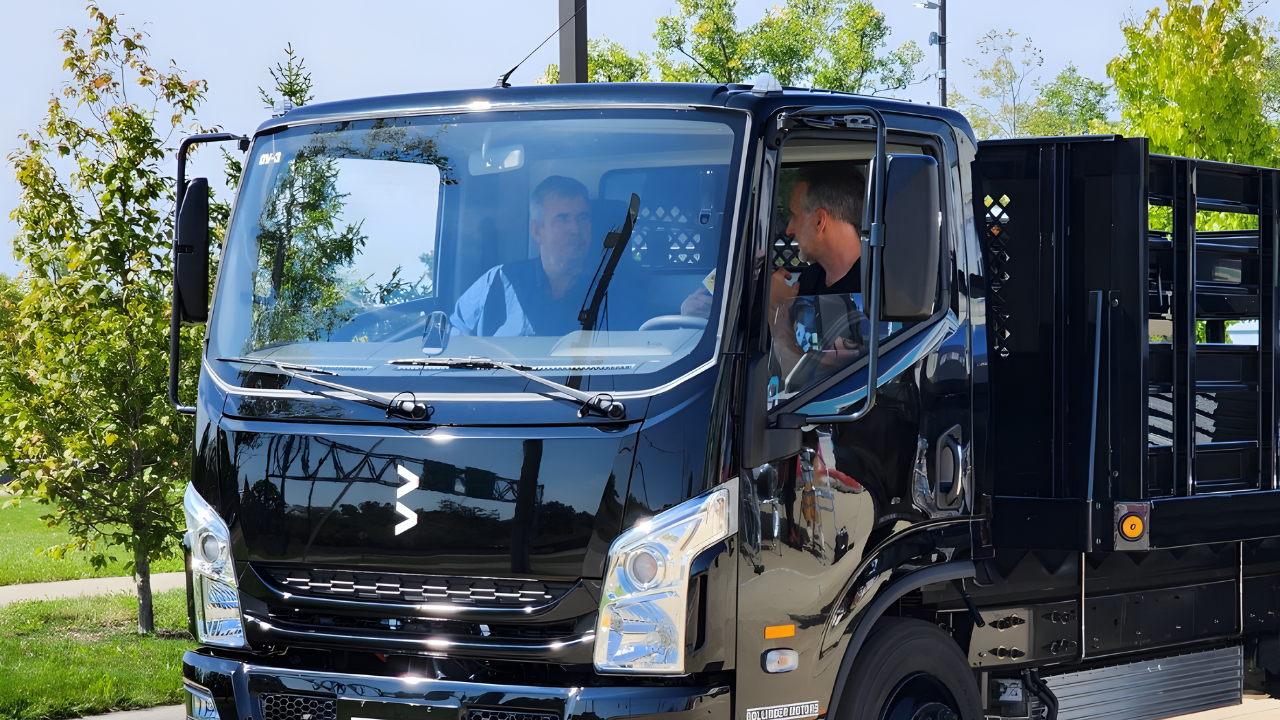
In late November, an internal email ended a decade-long experiment in electric trucking. Bollinger Motors, a Michigan-based startup that had raised over $160 million and promised to build rugged electric trucks, shut down abruptly on November 21, 2025, leaving hundreds of workers unpaid just before the holidays and fewer than 50 vehicles on the road.
Early ambition, no sales
Founded in 2015 by entrepreneur Robert Bollinger, the company set out to build distinctive electric SUVs and pickups known as the B1 and B2. Marketing cast the vehicles as aggressively capable off-road machines designed to stand out in a crowded field of new battery-powered models.
Behind the marketing, however, the core consumer program never reached production. Over seven years, Bollinger Motors spent more than $100 million designing and refining its original vehicles, taking deposits and building prototypes but never delivering customer-ready units. By 2022, with Tesla and major automakers firmly ahead in the electric market and no revenue to show, backers recognized that the initial strategy had failed and that only a radical change could keep the company alive.
A major rescue and a new direction

That pivot arrived in September 2022, when California-based Mullen Automotive injected $148 million into Bollinger Motors and took a 95% ownership stake. The company abandoned its consumer trucks and refocused on commercial Class 4 electric vehicles aimed at fleets, keeping its base in Oak Park, Michigan.
Under the new plan, Bollinger contracted with Roush Industries in Livonia, Michigan, to assemble its B4 electric truck. In October 2023, the company announced a potential capacity of 5,000 B4 trucks per year at the Roush facility, presenting the partnership as the industrial backbone needed to scale. But turning ambitious engineering plans into consistent manufacturing output remained slow and expensive, and rivals such as Rivian, Ford, General Motors, and Tesla were already moving quickly into the same commercial segment.
Leadership turmoil and a late start to production

The company’s leadership changed rapidly as the new program took shape. Founder Robert Bollinger stepped down as chief executive in June 2024. Interim leader Bryan Chambers held the role briefly before David Michery, Mullen CEO, took over in June 2025. Three chief executives within a year made it difficult to maintain a steady course or reassure skittish partners.
Even as the front office turned over, the B4 finally began leaving the assembly line. Between September 16 and 20, 2024, the first trucks were completed at Roush. The B4 was configured with a 158-kilowatt-hour battery, 323 horsepower, 675 pound-feet of torque and an estimated 200-mile range, with a list price of $158,758. After incentives and credits, fleet buyers could acquire the trucks for under $60,000 each, giving Bollinger Motors a product with competitive economics on paper.
Initial deliveries followed in October 2024. Nacarato Truck Centers received five B4 trucks valued at roughly $800,000, and TEC Equipment took delivery of three for about $500,000. For the first time in its nine-year history, the company was booking genuine product revenue instead of promoting prototypes.
Mounting cash burn, legal battles, and receivership

The small batch of sales could not alter the underlying financial picture. Quarterly cash burn reached $21.2 million, or nearly $85 million on an annual basis, while just 40 to 50 vehicles in total generated only a few million dollars of quarterly gross profit. By mid-2025, Bollinger Motors owed about $24 million to suppliers, and unpaid invoices piled up even as executives continued to emphasize their commitment to growth.
As institutional investors stopped providing additional funding, founder Robert Bollinger personally loaned the company $10 million in October 2024. When that loan was not repaid, he sued in March 2025 to recover the money. In May 2025, a federal judge placed Bollinger Motors into receivership, formally recognizing that the company was insolvent. Court proceedings revealed more than $20 million owed to suppliers, a halt in production, and threats of eviction for unpaid rent.
Mullen Automotive reached an $11 million settlement with Bollinger in June 2025, paying more than the original loan amount. The settlement resolved the founder’s legal claim but did not change the company’s basic finances. Meanwhile, parent company Mullen underwent its own crisis: after multiple reverse stock splits, it was delisted in October 2025 when its share price fell below $1. That move effectively cut off Bollinger Motors from capital markets, leaving it reliant on limited internal cash.
Desperate cost-cutting, unpaid wages, and collapse

Facing dwindling resources, Bollinger Motors announced aggressive cuts on September 15, 2025. The company said it had reduced its quarterly cash burn by 58%, from $21.2 million to $8.9 million, by halving its workforce, consolidating offices, and terminating manufacturing contracts. Even so, projected quarterly revenue of $6 million to $8 million left a large gap against an annualized burn of more than $35 million.
Within weeks, the financial strain hit employees directly. Workers missed paychecks on October 31 and November 6, with wage complaints filed with Michigan labor authorities. Dozens of employees confronted the possibility that their earnings might never be recovered.
On November 21, 2025, HR director Helen Watson notified employees by email that Bollinger Motors would “close the doors” effective immediately. There was no gradual wind-down, severance plan, or formal transition. Leadership assured staff that they would eventually be paid, but the money never arrived. Suppliers soon filed lawsuits totaling more than $5 million in unpaid bills. Only Roush Industries, which had received payments before operations ceased, avoided litigation.
Customers who had taken delivery of the B4 were left with vehicles that no longer had factory support, parts programs, or warranty backing. Michigan taxpayers also stood to lose: a state jobs grant worth $3 million, tied to the creation of 237 positions, became subject to repayment after none of the qualifying jobs materialized.
By the time the company shut down, Bollinger Motors had delivered approximately 40 to 50 trucks to customers after spending over $160 million across its decade-long history. Investors lost their stakes, suppliers wrote off large receivables, hundreds of employees missed wages, and taxpayers faced unrecovered incentives. For many observers, the company’s rapid rise and collapse underscored the challenges facing young electric-vehicle manufacturers that must compete with established automakers while managing high capital needs and long development timelines.
Going forward, Bollinger Motors is likely to be cited as a cautionary case for both investors and policymakers weighing support for emerging transportation technologies. Its history highlights the difficulty of turning prototypes and marketing promises into sustainable manufacturing, the risks of relying on continual outside funding, and the broad impact when a high-profile industrial experiment ends with limited vehicles produced, unpaid bills, and unanswered questions about accountability.
Sources:
“Bollinger Motors shuts down amid financial woes.” Yahoo Finance, December 2, 2025.
“Mullen Automotive subsidiary Bollinger Motors Delivers First B4 Trucks and Receives Payment in Full.” Bollinger Motors/Mullen Automotive official press release, October 2024.
“Bollinger Innovations Takes Further Cost Cutting Actions.” Bollinger Innovations official press release, September 15, 2025.
“Judge Orders Bollinger Motors Into Receivership.” Automotive News/Reuters reporting, May 2025.
“Embattled EV start-up from Oak Park closes for good, emails show.” Detroit Free Press, November 21, 2025.