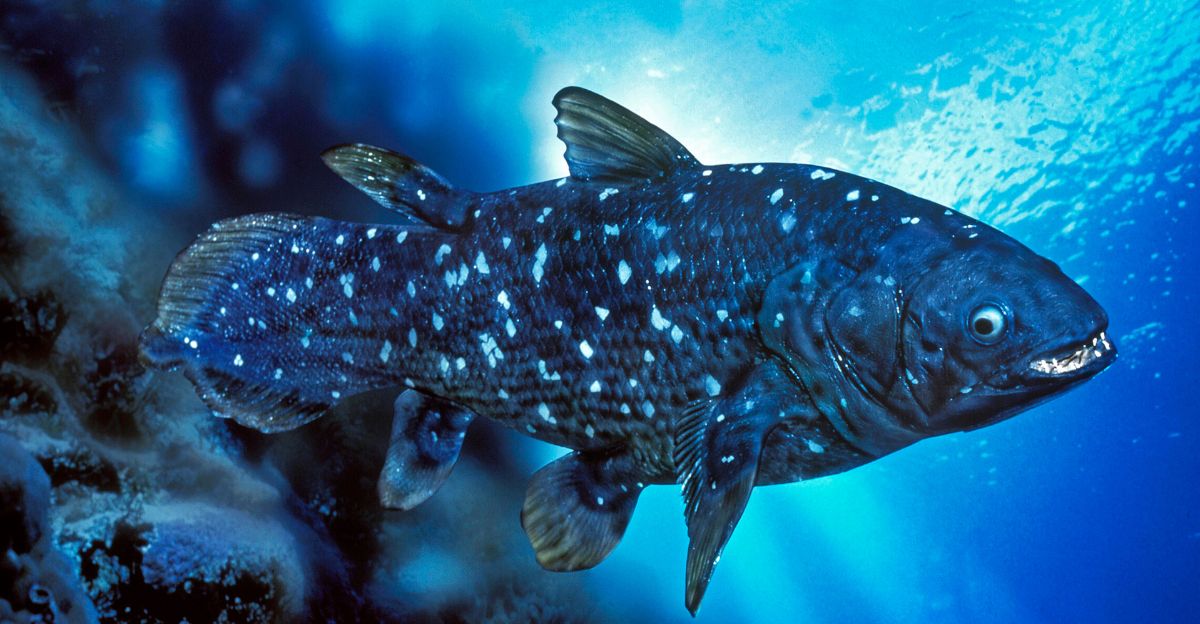
A sudden splash pierces the silent ocean depths. Divers’ lights pierce the murk, revealing a coelacanth—its lobed fins undulating like ancient legs. This living fossil, presumed extinct for 65 million years, endures in hidden realms, prompting questions about other relics thriving unseen.
Horseshoe Crab: Timeless Coastal Hunter
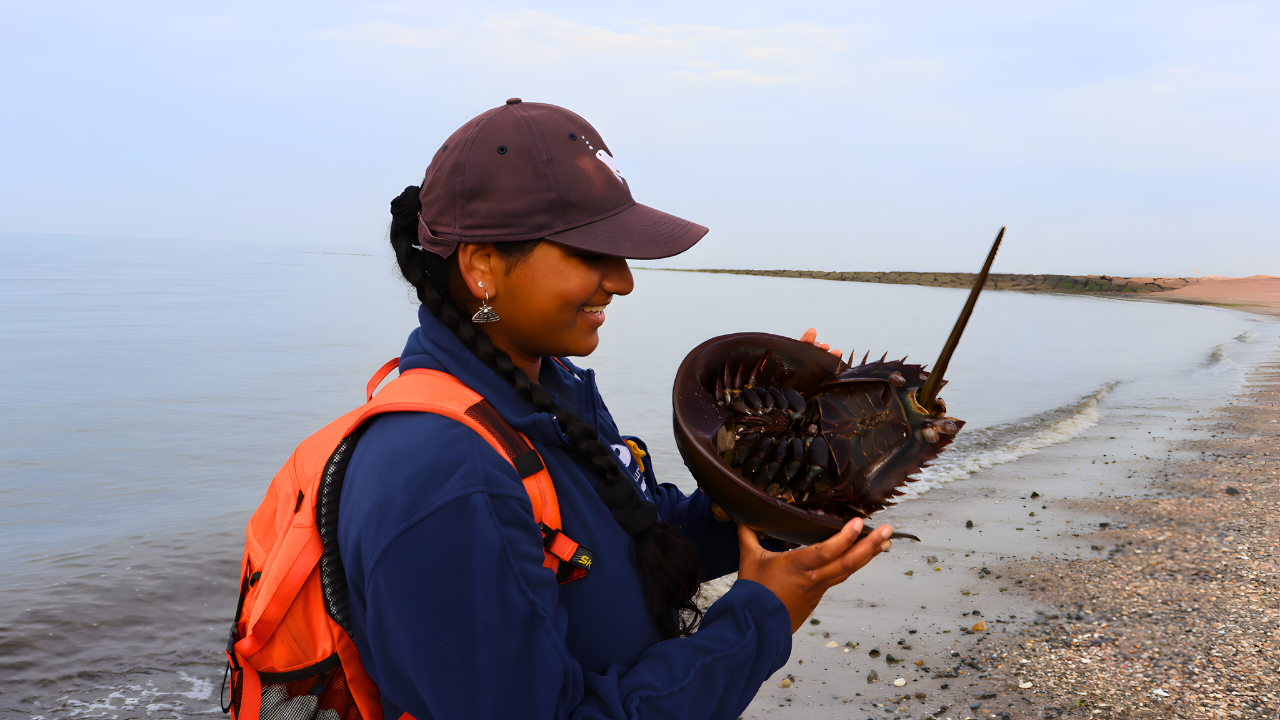
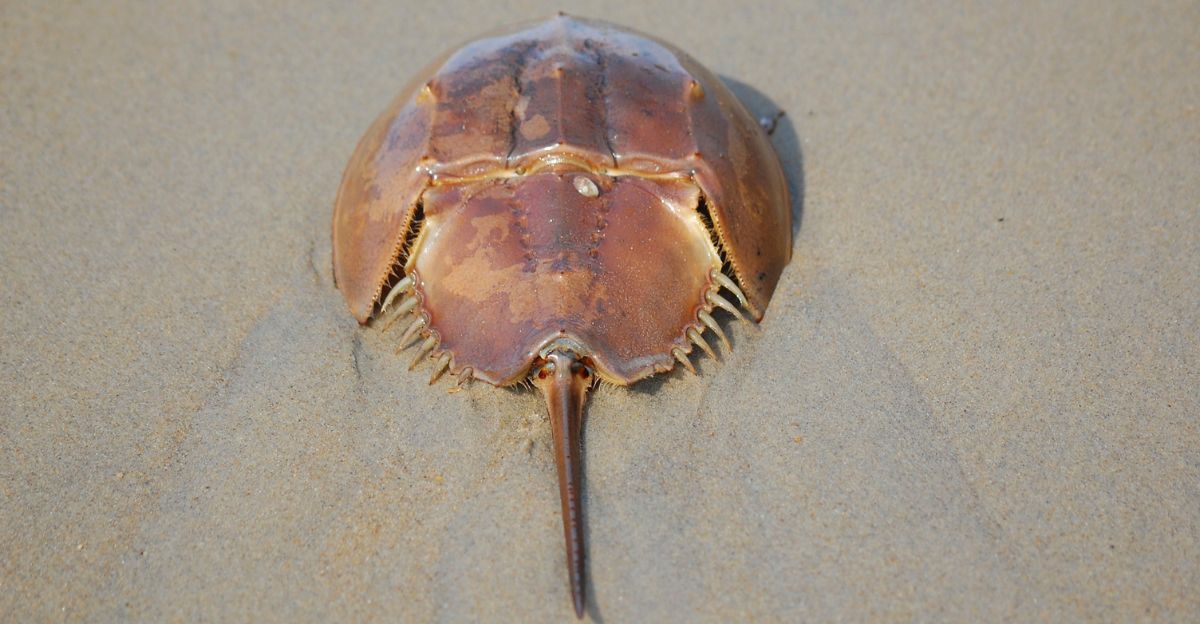
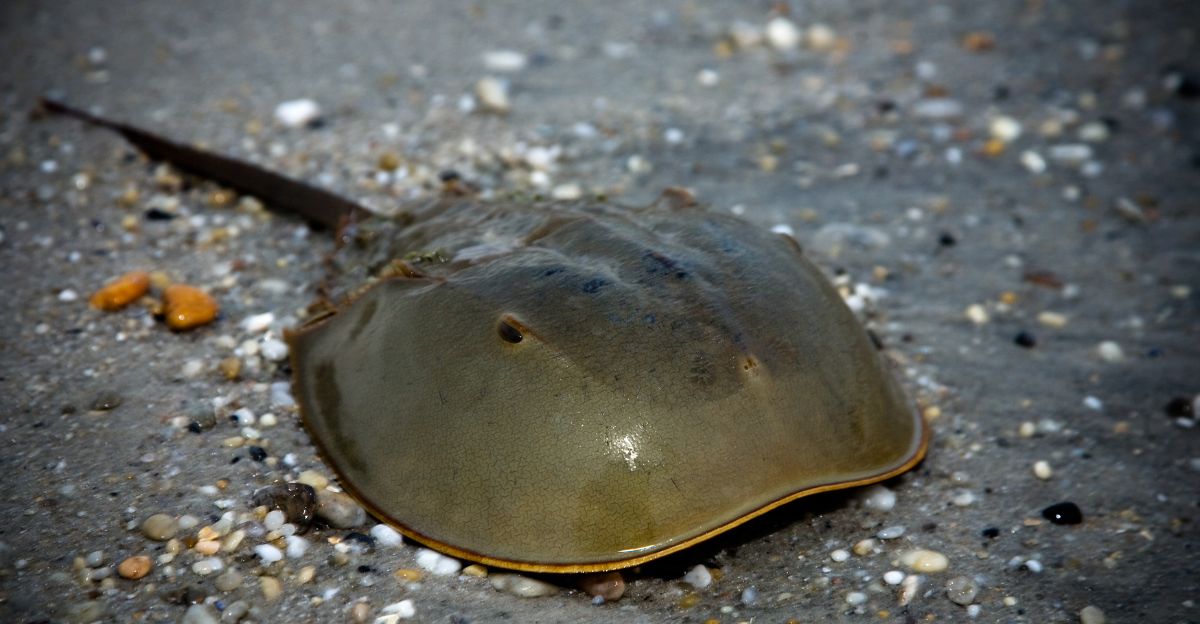
Horseshoe crabs have prowled shores for over 300 million years, outlasting dinosaurs. Related to spiders and scorpions rather than true crabs, four species persist with minimal change. Their tough exoskeletons and tail spines aid predation in ancient seafloor habitats.
These crabs’ copper-rich blue blood holds a clotting protein that detects bacterial toxins, vital for testing vaccines, devices, and implants. Yet sustainability worries mount as roughly 500,000 are harvested annually for this resource.
Coelacanth and Duck-Billed Platypus
Rediscovered in 1938 off South Africa after presumed extinction 65 million years ago, the coelacanth traces its line to 400 million years back. It survived major extinctions in ocean abysses, reshaping views on evolution.
Reaching 6.6 feet and 198 pounds, these fish live up to 100 years. Their alternating lobed fins mimic walking, echoing early land vertebrates. Recent Indonesian sightings expand known ranges, unveiling ongoing secrets.
The platypus, evolving over 110 million years, lays eggs like reptiles, sports a duck-like bill, and deploys venom like snakes. This blend of traits defies standard evolutionary categories.
Genome sequencing in 2008 revealed a mix of mammal, bird, and reptile genes, including reptilian sperm and mammalian hormones. It stands as a genetic bridge, testing core inheritance principles.
Goblin Shark and Purple Frog: Elusive Depths and Burrows
Goblin sharks, at 125 million years old, haunt deep seas with protruding snouts and jaws that thrust forward for prey. Up to 13 feet long, they use electroreceptors to hunt in pitch black. A 2003 Taiwan influx after an earthquake drew rare attention to these enigmas.
The purple frog, unearthed in 2003 after 100 million underground years in India’s Western Ghats, features purple skin and a pig-like snout. It surfaces only in monsoons to breed, hunting termites below ground. Its Seychelles relatives highlight profound isolation.
Komodo Dragon and Nautilus: Apex and Ancient Shell
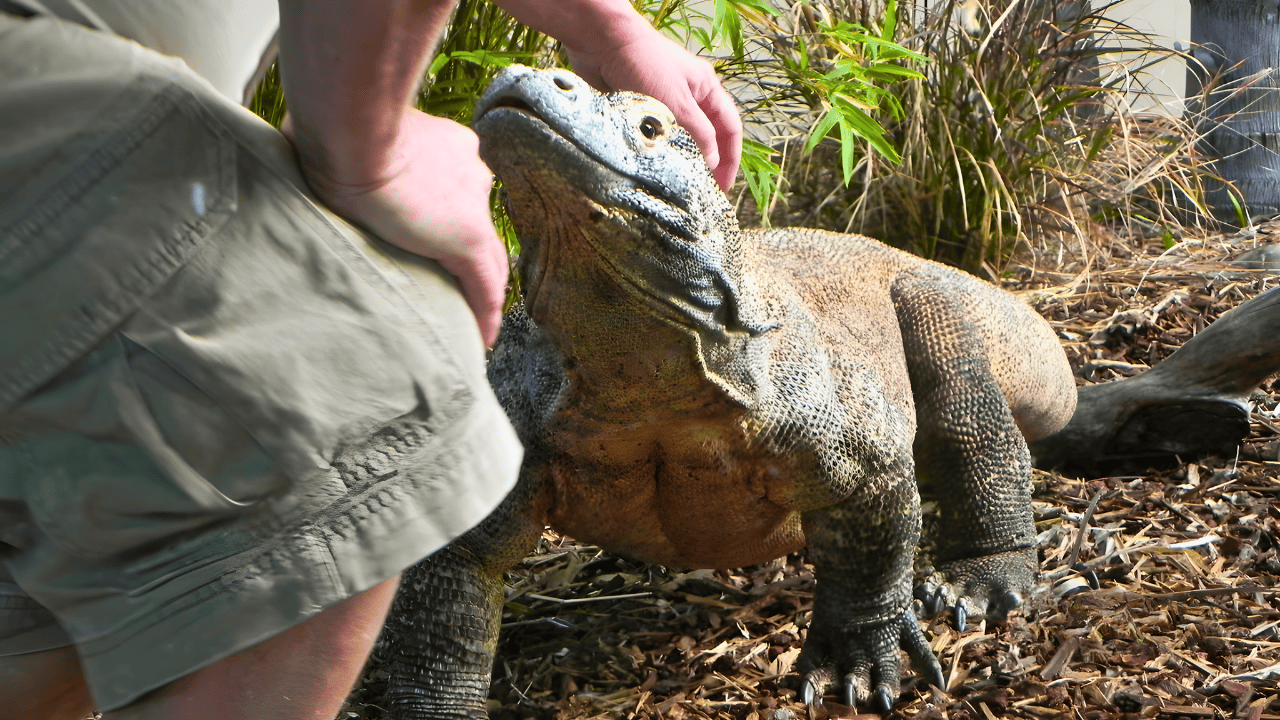
Komodo dragons, largest lizards at 10 feet and over 330 pounds, originated 3-4 million years ago in Australia, now dominating Indonesian isles. Venom discovered in 2009 halts clotting and causes blood loss; they devour 80% of body weight per meal.
Nautiluses, over 500 million years enduring, are cephalopod kin to squid with spiral shells for buoyancy control. Surviving five extinctions in deep seas, they reach 100-year lifespans through adaptive simplicity.
Laotian Rock Rat and Amami Rabbit: Hidden Survivors
The Laotian rock rat, presumed gone for 11 million years, surfaced in 2005 at a Laos market. This nocturnal “rat-squirrel” from the ancient Diatomyidae family inhabits limestone forests, proving isolation preserves lineages.
The Amami rabbit, sole survivor of a primitive Asian line, numbers about 5,000 on two Japanese isles. Nocturnal and critically endangered, it battles habitat loss and invasives, though eradication efforts offer slim hope.
These species endured asteroids, ice ages, and upheavals by resisting change, their stability a survival edge. Today, human pressures—harvesting, development, invasives—pose the sharpest threats, testing whether ancient resilience can withstand modern encroachment.
Sources:
“Living fossils: 12 creatures that look the same now as they did millions of years ago.” Live Science, 28 Dec 2023.
“The Race for a Coronavirus Vaccine Runs on Horseshoe Crab Blood.” Smithsonian Magazine, 8 Jun 2020.
“These primitive, deep-sea fish live to 100, surprising scientists.” National Geographic, 17 Jun 2021.
“Platypus genome holds clues to mammals’ evolution.” Washington University in St. Louis, 7 May 2008.