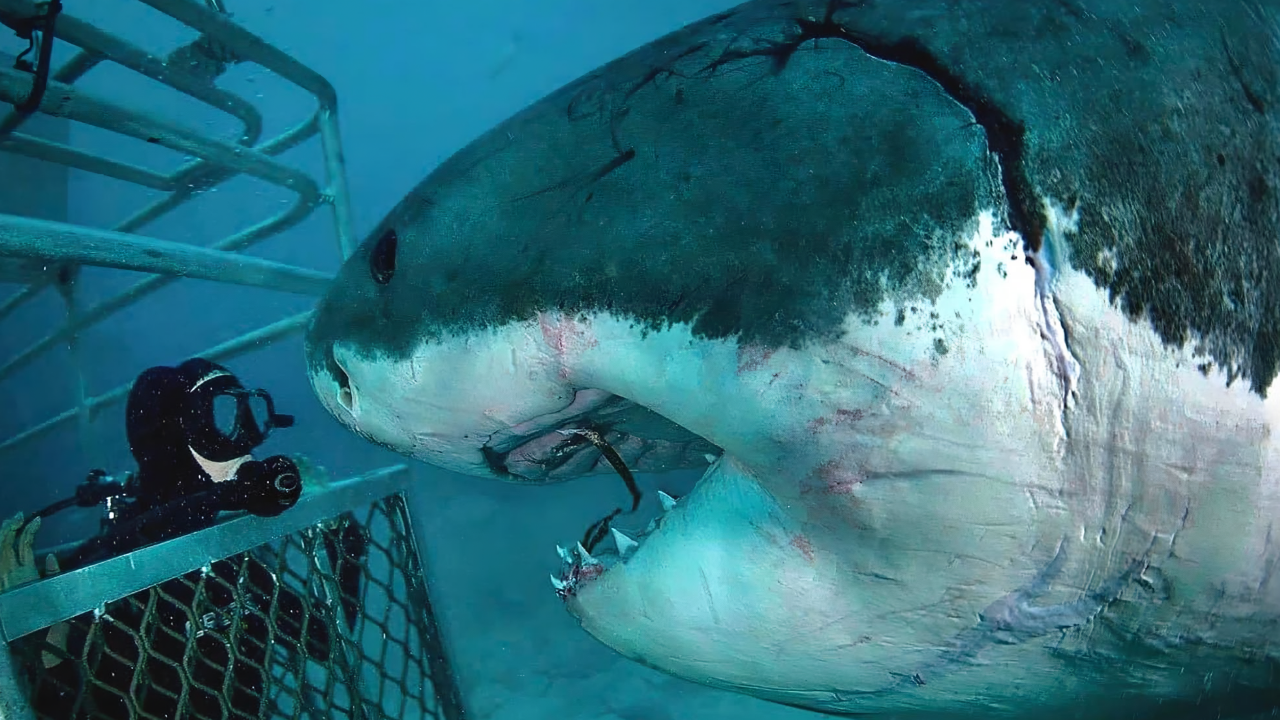
Beach lovers, take a deep breath. When you understand where sharks are most active around the world, you’re not avoiding the water, you’re embracing it smarter. There are ten major shark hotspots globally, and they’re tracked carefully by marine scientists who study shark behavior and human-shark interactions.
These aren’t mysterious danger zones. Rather, they’re places where many people swim and surf alongside shark populations, and simple awareness transforms worry into empowerment. Families and surfers who know the facts can make informed decisions about timing, location, and precautions. By learning about peak seasons, common species, and practical safety measures, you’re not just protecting yourself, you’re respecting the shark’s habitat while claiming your rightful place in the waves.
1. Volusia County, Florida
New Smyrna Beach in Volusia County, Florida holds an unusual record: it’s the shark bite capital of the world. Since systematic tracking began, this stretch of sandy beach has recorded 359 shark attacks, far more than any other location globally. That might sound alarming, but here’s the reassuring part is that the vast majority of these incidents are minor bites from blacktip sharks, small sharks that rarely cause serious injury.
Even more remarkably, there have been zero fatalities in Volusia County from shark attacks in recent decades. This reality tells an important story. The high number of incidents reflects the area’s immense popularity among surfers and beachgoers combined with the presence of blacktip sharks in the warm waters.
2. Florida’s East Coast
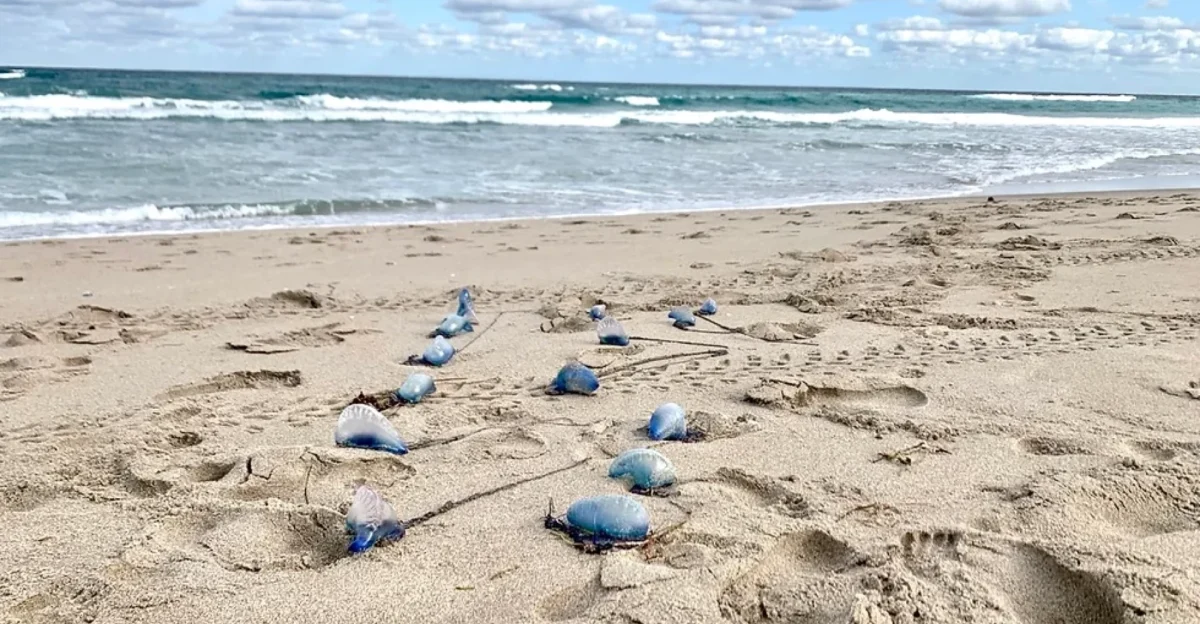
Florida’s Atlantic coastline claims more shark attacks than any other U.S. state, but the story is more nuanced than headlines suggest. Volusia County leads with 359 incidents, while nearby Brevard County follows with 159 attacks. What explains this concentration? Warm water year-round attracts both tourists and sharks. Massive crowds of swimmers, surfers, and beachgoers create the sheer volume of human-shark encounters.
The sharks present here are generally not aggressive toward humans and most incidents occur when sharks mistake people for prey or when startled encounters happen. Families absolutely thrive along Florida’s east coast by timing their visits strategically.
3. Hawaii’s Islands
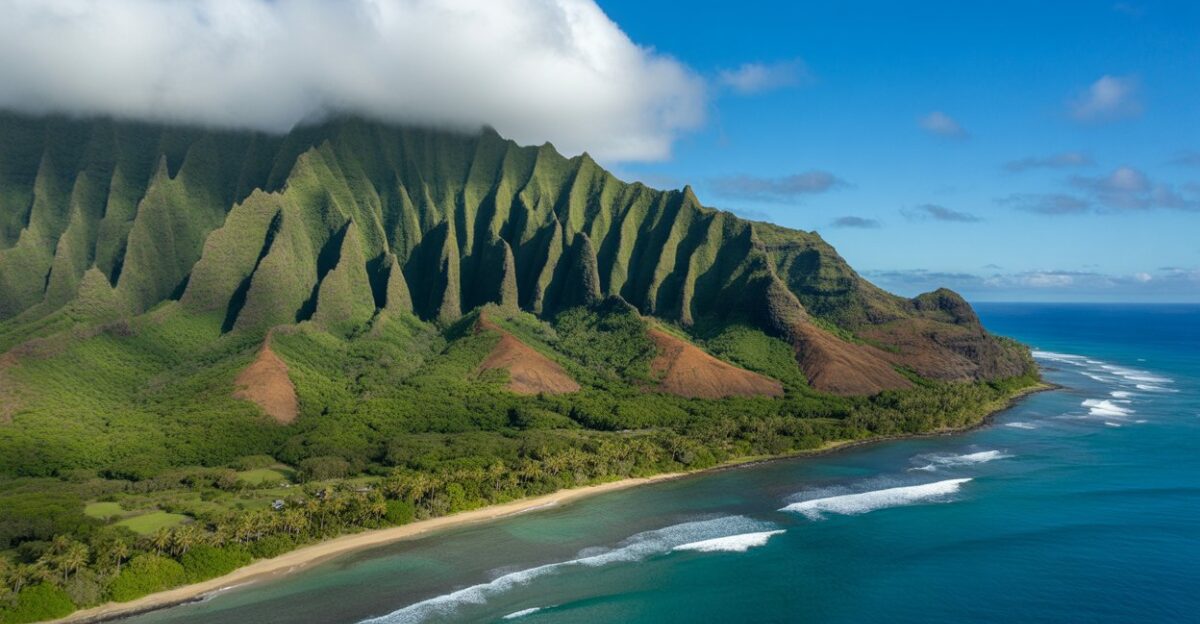
Hawaii has recorded 177 shark incidents since 1995, a number that might surprise people given the islands’ massive tourism and ocean recreation culture. Tiger sharks account for a significant portion of these incidents, particularly around Kauai and Maui where reef ecosystems create ideal shark habitat. Hawaiian authorities take a sophisticated approach to shark safety. The Department of Land and Natural Resources (DLNR) promotes education and coexistence rather than fear-based policies.
Local guidance emphasizes avoiding murky water, where sharks hunt and being cautious during dawn and dusk when sharks feed. The Hawaiian concept of “aloha spirit” extends to ocean stewardship. Residents and visitors who follow sustainable practices respect the sharks’ world while enjoying their own adventures.
4. California’s Red Triangle
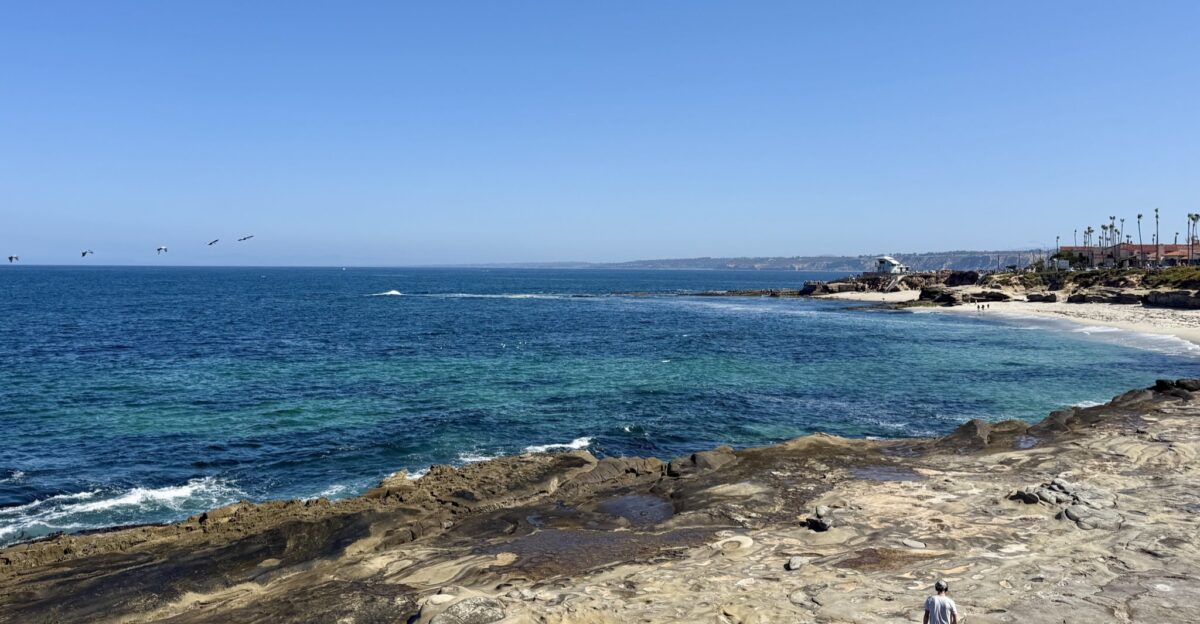
Northern California’s “Red Triangle”, a term used by researchers to describe a region including La Jolla and stretching north along the coast, has documented 221 shark attacks since 1950, the majority involving great white sharks. What makes this area distinctive is that about 38 percent of all great white shark incidents in California cluster in this zone.
Scientists believe juvenile great whites migrate through these waters, creating seasonal hotspots. The Red Triangle isn’t a mystery anymore. Advanced tagging research has revealed migration patterns, breeding grounds, and feeding behaviors. History buffs and ocean enthusiasts can explore this knowledge through documentaries, research publications, and aquarium exhibits.
5. New South Wales, Australia
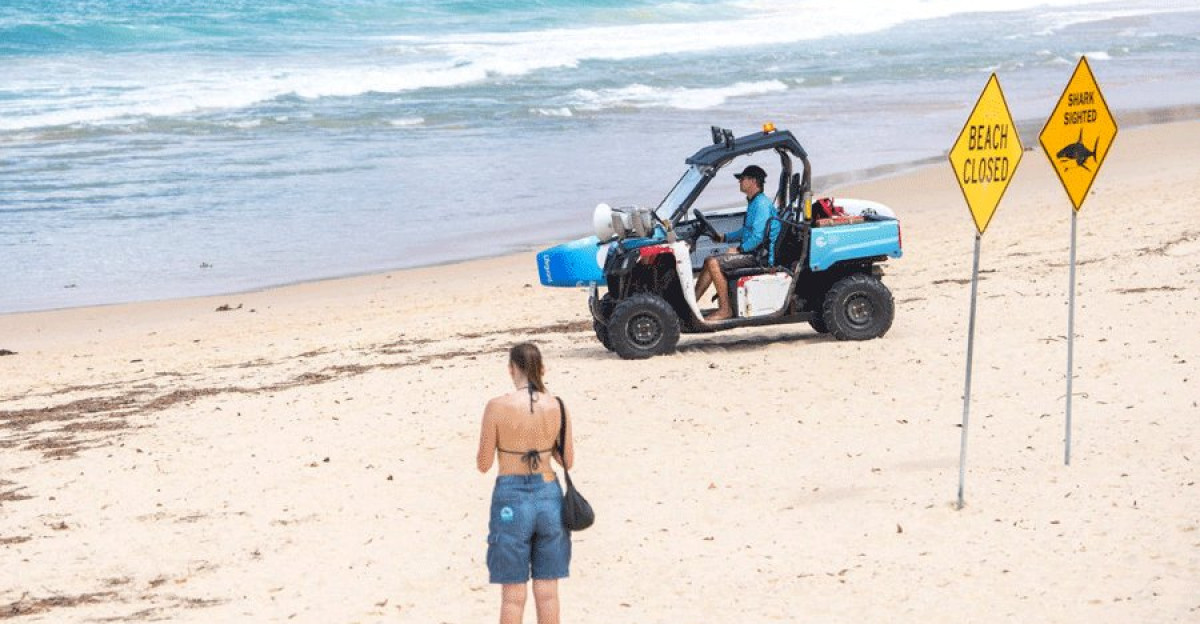
New South Wales, home to iconic Sydney beaches like Bondi and Manly, leads Australia with 274 documented shark attacks. Great white sharks patrol these waters, drawn by seal populations and fishing activity. Yet here’s the crucial context: with millions of swimmers and surfers visiting NSW beaches annually, the statistical risk remains remarkably low. The Australian Shark Incident Database (ASID) tracks every incident meticulously, and annual attack numbers stay well below what you’d predict given the population density.
Sydney has become a trendsetter in beach safety culture. Influencer surfers and water athletes openly practice dawn and dusk avoidance, modeling smart choices for their followers. This has created a stylish safety culture where being beach-savvy is fashionable. Bondi and Manly maintain excellent lifeguard services, shark spotters, and real-time alert systems.
6. Western Australia
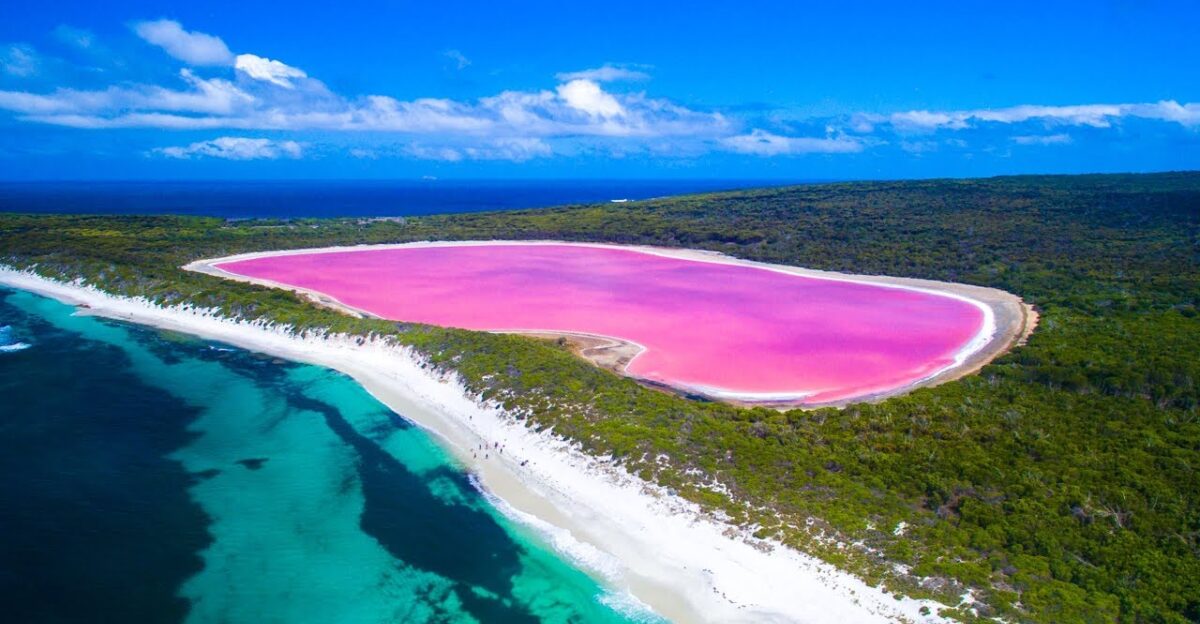
Western Australia’s coastline has recorded 123 shark attacks, including some tragic fatalities that have shaped the region’s approach to ocean safety. Great white sharks patrol these pristine bays and coves, creating an undeniable risk element. Yet rather than retreat from the ocean, Western Australia has embraced advanced technology and elite safety protocols.
Esperance and other hotspots now benefit from drone patrols that scan waters before swimming events. Government alerts provide real-time information about shark sightings. Elite surfers continue chasing perfect waves in these pristine locations, but they do so with access to cutting-edge safety tools. This represents a new paradigm: high-end ocean escapes enhanced by technology rather than hindered by it.
7. South Africa’s KwaZulu-Natal
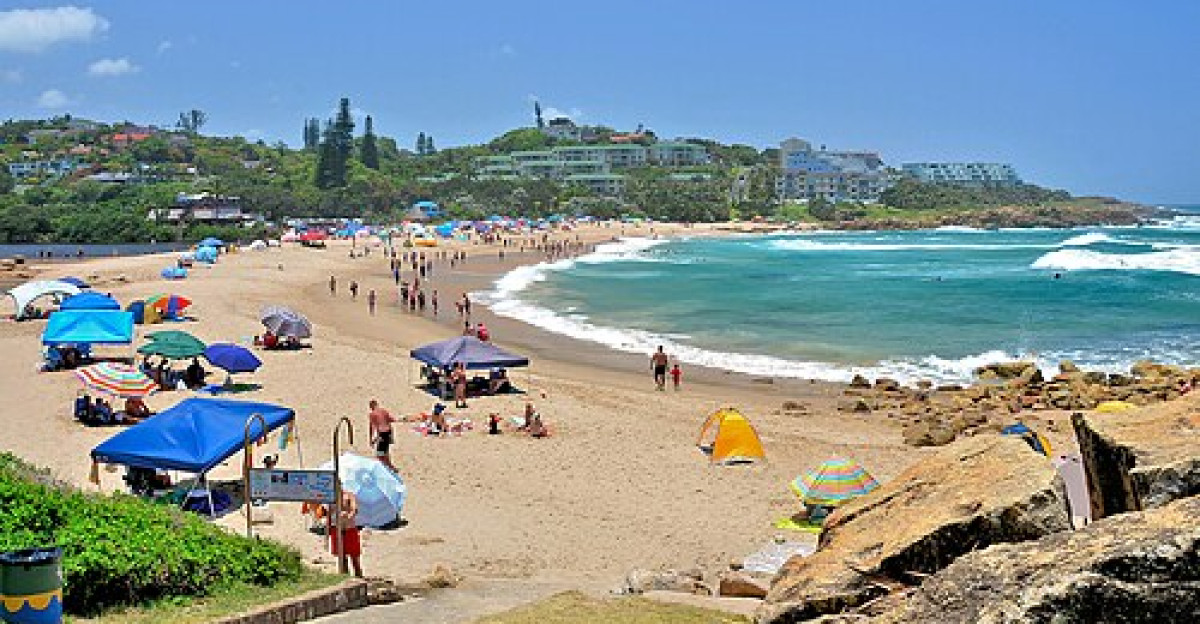
KwaZulu-Natal province, on South Africa’s east coast, recorded 90 shark attacks over several decades, prompting an innovative response in the 1950s. Local authorities installed shark nets along popular beaches, a technology that has saved countless lives by reducing shark access to swimming areas. Bull sharks, known for their aggressive behavior and ability to swim in various water conditions, were a primary concern.
Rather than abandon beaches, the KwaZulu-Natal community invested in protection infrastructure and safety programs. Modern shark nets combine effective protection with environmental consideration. The inclusive approach extends beyond nets.
8. Gansbaai, South Africa
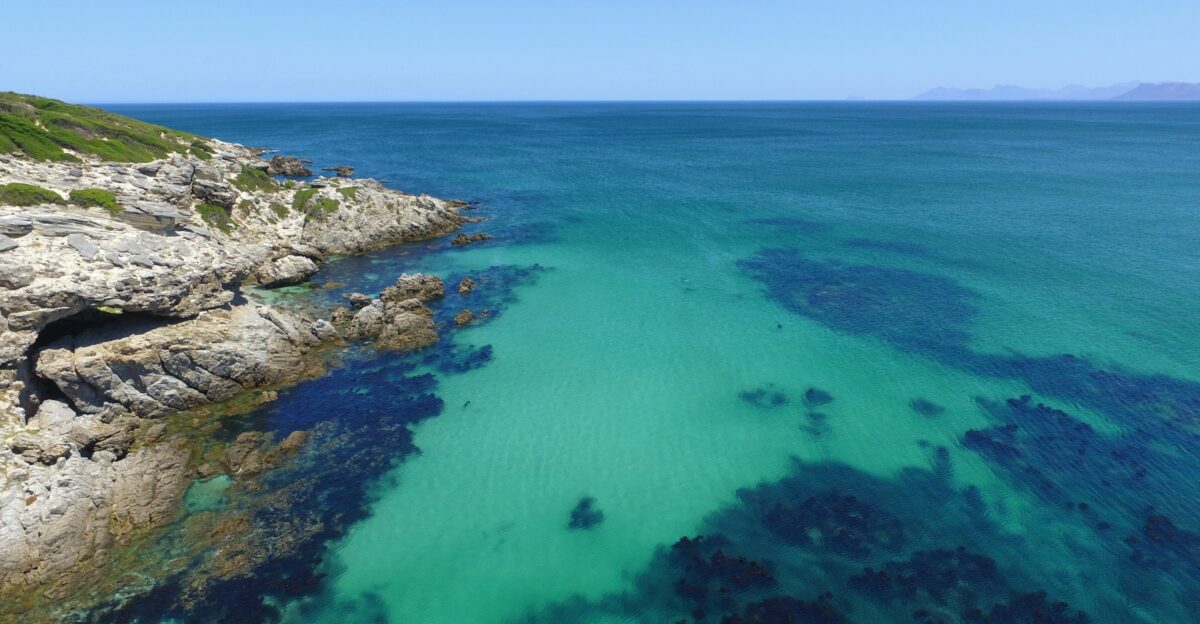
Gansbaai, a small coastal town in South Africa, has become famous for an area locals call “Shark Alley”, a narrow passage between Dyer Island and Geyser Rock that hosts an unusually dense concentration of great white sharks. This quirky ecosystem draws eco-tourists, researchers, and adventure seekers from around the world.
The phenomenon occurs because seal colonies on the islands attract great whites hunting for food. Cage diving tours allow visitors to observe these apex predators in their natural behavior. A nearby whale migration route creates seasonal overlaps where sharks and whales occupy the same waters, boosting visitor excitement and sightings. This unexpected density of apex predators creates genuine awe.
9. Reunion Island
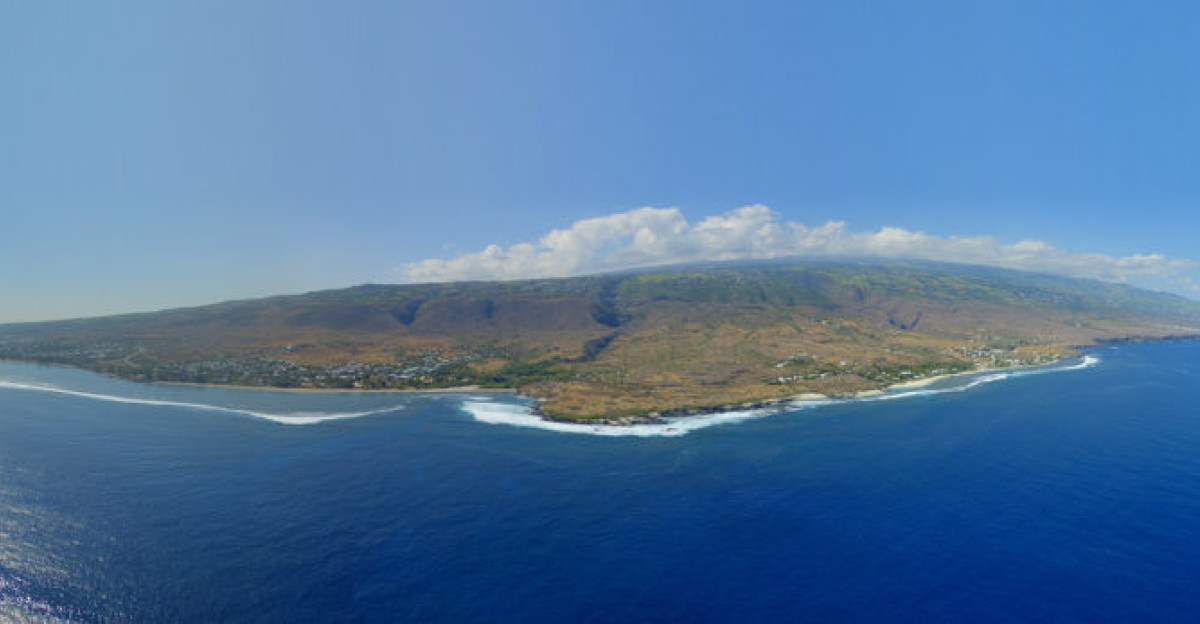
French Reunion Island, located in the Indian Ocean east of Madagascar, has experienced 56 documented shark attacks since 1913, with 28 proving fatal. Tiger sharks thrive in the island’s reef systems, and several tragic incidents in recent years shifted local policy dramatically. The small beach town of Saint-Leu, famous for excellent surf breaks, saw several fatal attacks that shocked the community. In response, authorities implemented an unusual policy: banning recreational surfing and swimming at certain beaches during specific seasons.
This prohibition surprised many in the international surf community. Reunion Island was a destination, suddenly off-limits during prime season. Yet locals and some visiting rebels adapted. Modern technology like real-time shark spotters, aerial drones, and advanced alert systems have created novel approaches to risk awareness. Some surfers continue visiting, understanding the restrictions and working within them.
10. Brazil’s Boa Viagem
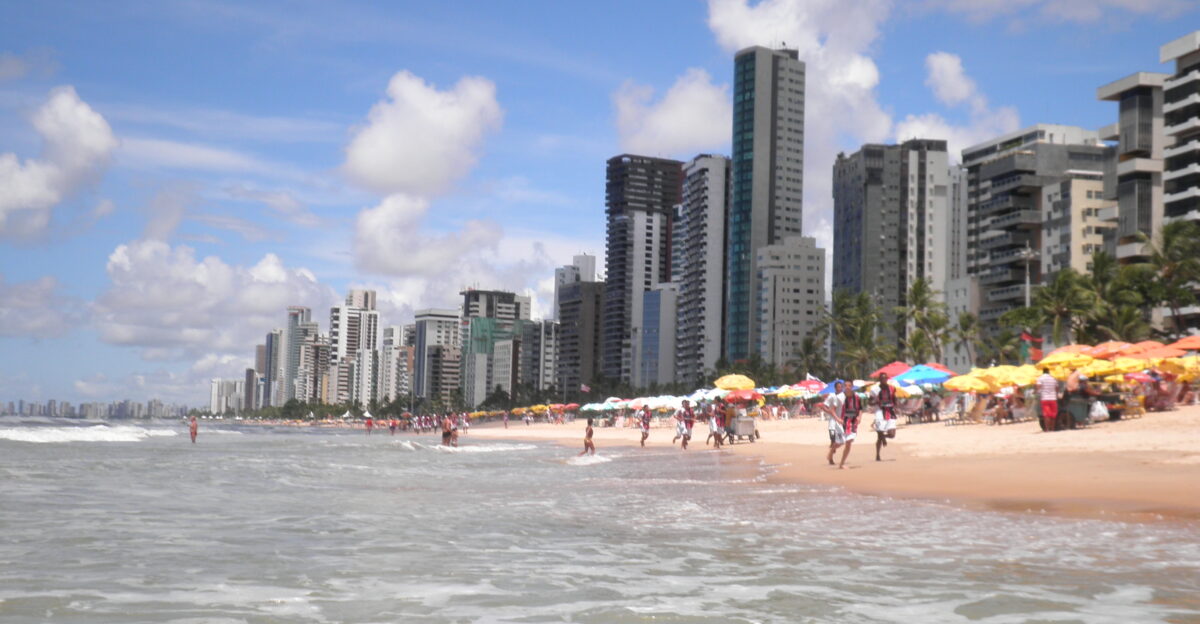
Pernambuco state’s Boa Viagem beach in northeastern Brazil experienced a disturbing surge in shark attacks beginning in the 1990s, with 77 documented incidents. Tiger sharks, likely attracted by nearby rivers and coastal murk, became increasingly aggressive. The situation prompted local authorities to implement periodic surfing and swimming bans, particularly during high-risk seasons.
Regional flavor defines this area, vibrant Afro-Brazilian culture, warm hospitality, and a love of beach life run deep through Pernambuco’s identity. The shark surge presented a genuine challenge to this culture. Locals adapted with practical wisdom. Timing beach visits, respecting seasonal closures, and maintaining awareness of water conditions became normalized. Rather than abandoning beaches entirely, the community integrated safety awareness into cultural practice.
Sources:
Florida Museum of Natural History – International Shark Attack File (ISAF), 10 February 2025
Taronga Conservation Society Australia – Australian Shark-Incident Database, 19 September 2021
Hawaiʻi Department of Land and Natural Resources – Hawaiʻi Sharks: Incidents List, 8 December 2025
California Department of Fish and Wildlife – White Shark Information, 13 January 2026
KwaZulu-Natal Sharks Board – Beach Research and Bather Protection Programme, 2007
Marine Dynamics – Shark Alley (Gansbaai) Research and Eco-Tourism Operations, 5 June 2025