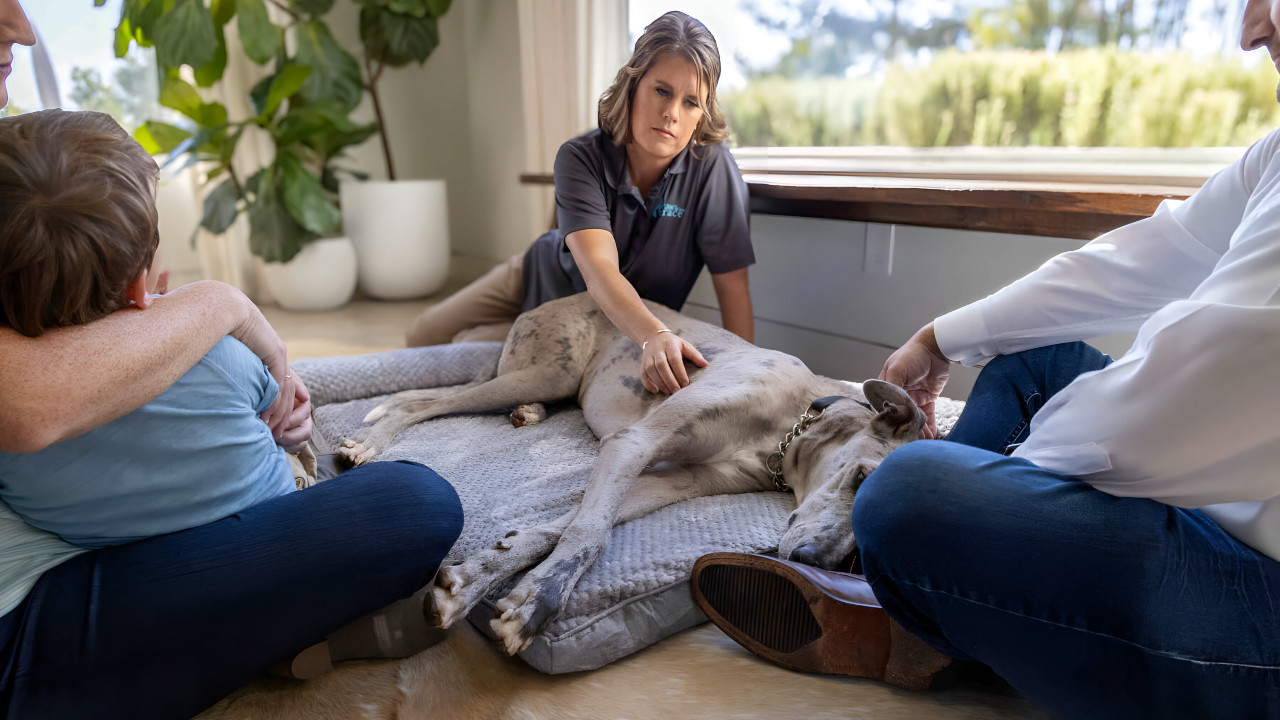
Across the United States, millions of families eventually face a dog’s final life stage. Veterinarians regularly observe behavioral and physical changes as dogs approach the end of life, yet many early signs are subtle.
Shifts in routine, mood, and physical comfort are often mistaken for normal aging. Understanding these behaviors helps owners recognize when decline is underway and allows families to respond with compassion, comfort, and informed decision-making during a deeply emotional period.
Senior Dogs in Veterinary Care

Dogs entering their senior years—often around age 10, depending on breed and size—make up a significant share of veterinary visits. Chronic conditions such as cancer, kidney disease, heart failure, and severe arthritis commonly drive decline.
With improved nutrition, vaccines, and medical care, many dogs now live 12 to 15 years or longer. This longevity, while positive, also increases the likelihood that owners will encounter prolonged end-of-life phases requiring careful monitoring.
Pet Ownership Trends

Dog ownership expanded significantly in the years following 2020, bringing more aging pets into American households. Veterinary clinics report growing numbers of elderly dogs receiving long-term care.
Advances in preventative medicine and better diets have extended canine lifespans, but longer lives also mean more families face complex end-of-life decisions. Veterinarians now emphasize education around aging-related changes so owners are better prepared for the final stages.
Common Causes of Decline

End-of-life decline in dogs is typically driven by organ failure, cancer progression, neurological disease, or severe mobility loss from arthritis. Weight loss, muscle wasting, and reduced stamina often appear gradually.
Rather than a single dramatic change, veterinarians usually see clusters of symptoms that worsen over weeks or months. Recognizing these cumulative patterns is more informative than focusing on any single behavior in isolation.
Veterinarians Identify 10 Key Behaviors

Veterinarians consistently report ten behaviors that frequently appear near the end of a dog’s life: loss of appetite, extreme lethargy, incontinence, labored breathing, hiding or seeking solitude, poor coordination, emotional withdrawal, disrupted sleep patterns, confusion or disorientation, and diminished interest in play or interaction.
These behaviors commonly emerge days to weeks before death and reflect the body’s declining ability to maintain normal function.
Regional Veterinary Observations
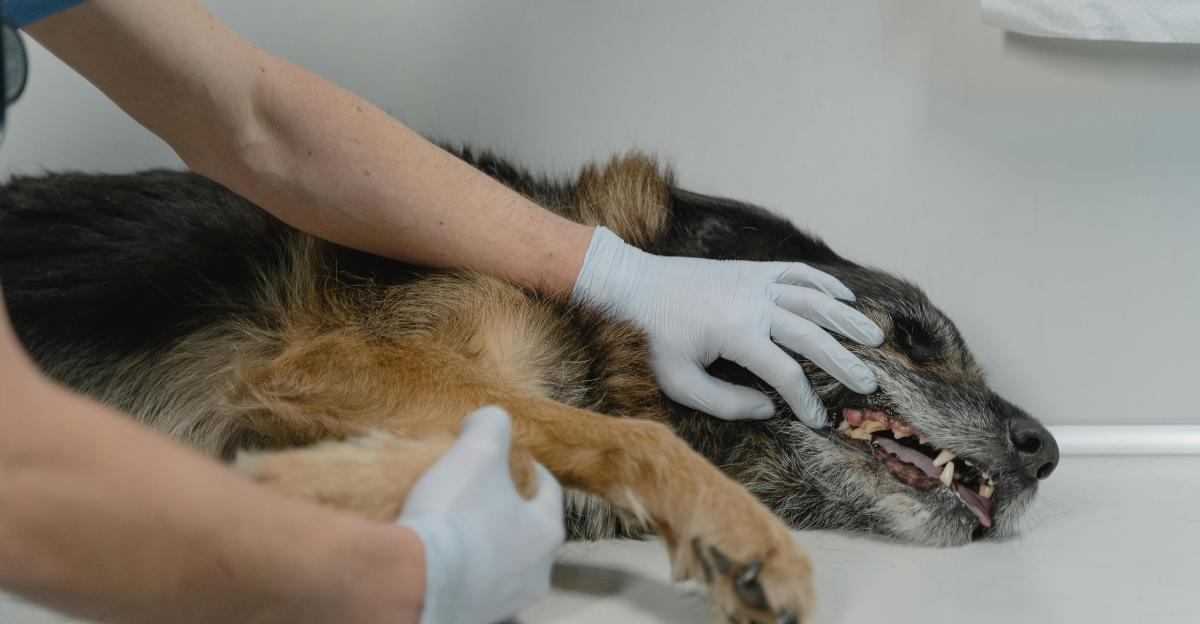
Veterinary hospitals across both urban and rural regions report similar end-of-life patterns. Incontinence and breathing difficulty are common regardless of location, while mobility challenges may be more pronounced in larger breeds.
Veterinarians emphasize that these signs impact not only the dog but the household’s daily routine. Regular checkups during advanced age help families understand whether changes signal discomfort, progression of disease, or approaching death.
Owner Experiences at Home

Many owners notice behavioral withdrawal before physical collapse. Dogs may stop greeting family members, retreat to quiet spaces, or avoid favorite activities. Veterinarians explain this withdrawal as a natural response to weakness and reduced energy, not emotional rejection.
For families who have shared a decade or more with their dog, these changes are often the first emotionally difficult signal that time may be limited.
Hospice and Comfort Care Options
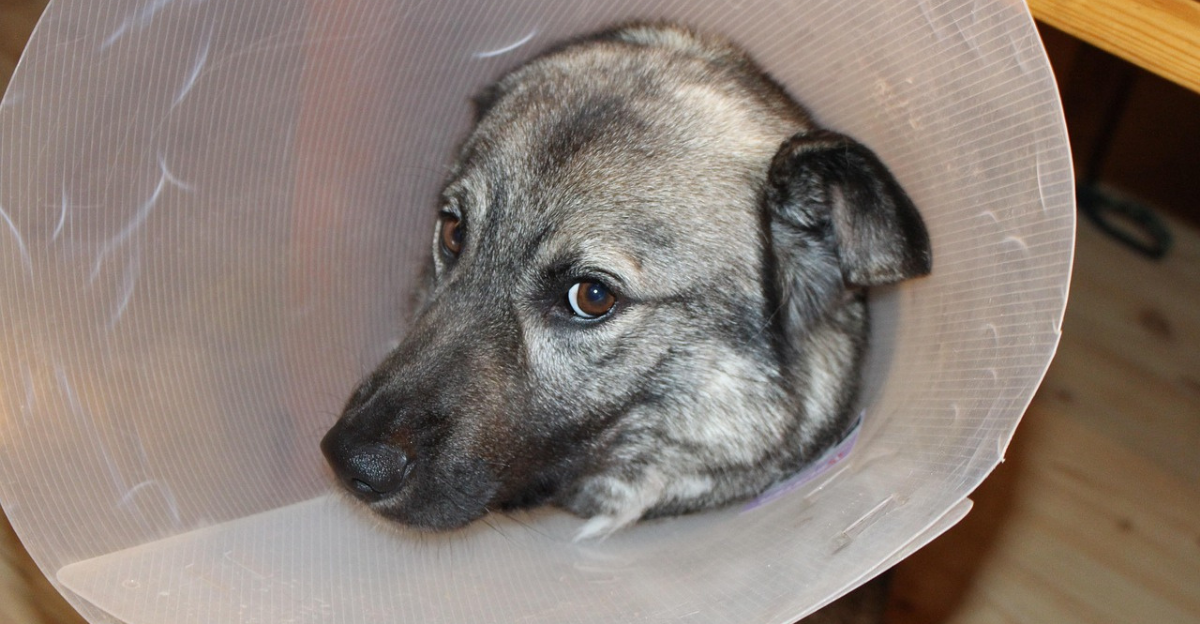
Veterinary hospice care focuses on comfort rather than cure. Pain management, hydration support, mobility aids, and appetite assistance are commonly used to improve quality of life. In-home hospice and euthanasia services are increasingly available, allowing dogs to remain in familiar surroundings.
Quality-of-life scales help owners assess comfort, happiness, and dignity, guiding decisions during a period when emotions can cloud judgment.
Health Trends in Aging Dogs

As dogs live longer, veterinarians more frequently observe multiple end-of-life signs occurring simultaneously. Vaccination, parasite prevention, and chronic disease management extend lifespan but cannot prevent eventual decline.
Behavioral changes—such as increased sleeping, reduced interest in food, and altered social interaction—are often the earliest indicators. Tracking changes over time provides clearer insight than reacting to a single bad day.
The “Rally” or Last Burst of Energy

Some dogs experience a brief surge of energy shortly before death, often called a “rally” or “last bloom.” During this period, a dog may eat, engage, or appear temporarily improved. Veterinarians caution that this is usually short-lived and does not signal recovery.
Understanding this phenomenon helps families avoid false hope while continuing to prioritize comfort and monitoring overall trends.
Owners Face Uncertainty

A common question owners ask is whether changes reflect normal aging or imminent death. Restlessness, pacing, or confusion may be signs of pain or neurological decline rather than simple old age.
Veterinarians recommend structured quality-of-life assessments that evaluate comfort, hydration, mobility, appetite, and emotional engagement. These tools reduce guesswork and help families make clearer, less guilt-driven decisions.
Veterinary Guidelines and Training

Modern veterinary training places strong emphasis on palliative care and end-of-life communication. Guidelines outline how to recognize discomfort, manage symptoms, and support families emotionally.
Veterinarians are trained to identify signs such as disorientation, labored breathing, and persistent lethargy as indicators that quality of life may be declining. This guidance helps standardize care while respecting each dog’s unique situation.
Hospice Care Strategies

End-of-life care plans often include pain control, anti-nausea medication, appetite stimulants, and mobility assistance.
Hydration and warmth become priorities as the body weakens. Hospice teams also help families prepare emotionally and practically for death. The goal is not to extend life at all costs, but to reduce suffering while preserving dignity and comfort during a dog’s final days.
Expert Caution on Interpretation
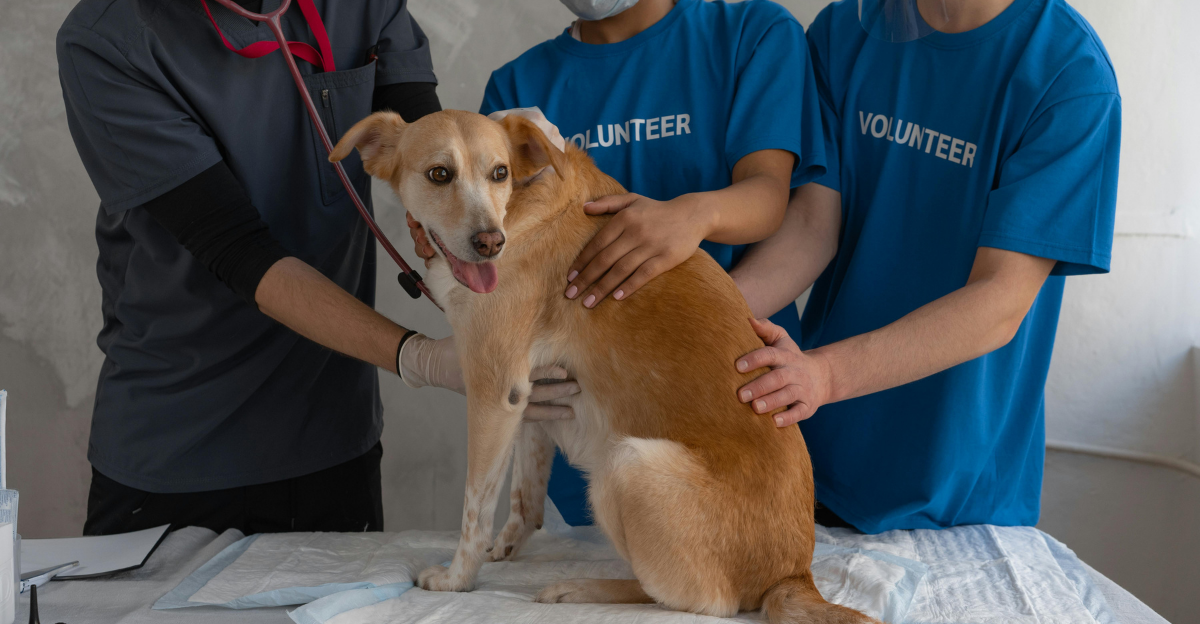
Veterinarians stress that not every concerning behavior means death is imminent. Some signs may improve temporarily with treatment or environmental adjustments. However, the appearance of multiple behaviors together—especially worsening lethargy, appetite loss, and breathing difficulty—warrants prompt veterinary consultation.
Early evaluation ensures pain is addressed and prevents unnecessary suffering caused by delayed intervention.
Future Care Trends

Veterinary medicine continues to evolve in response to aging pet populations. Digital quality-of-life tracking tools, telemedicine check-ins, and improved pain-management protocols are increasingly discussed.
Clinics are preparing for a future in which end-of-life care is a routine, openly discussed component of pet ownership rather than a topic avoided until crisis points.
Policy and Access Considerations

Professional veterinary organizations advocate for broader access to palliative and hospice services. Rural areas may face limited availability, especially for in-home care.
Improving coverage and training helps ensure that families, regardless of location, can access guidance during a dog’s final stage. These discussions reflect growing recognition of pets as integral family members.
Global Veterinary Consensus

Veterinarians in other countries report remarkably similar end-of-life behaviors in dogs. International collaboration and shared clinical experience reinforce that these signs are biologically driven rather than cultural interpretations.
Common patterns—withdrawal, appetite loss, and reduced activity—appear consistently across regions, supporting their recognition as legitimate indicators of terminal decline.
Legal and Ethical Considerations
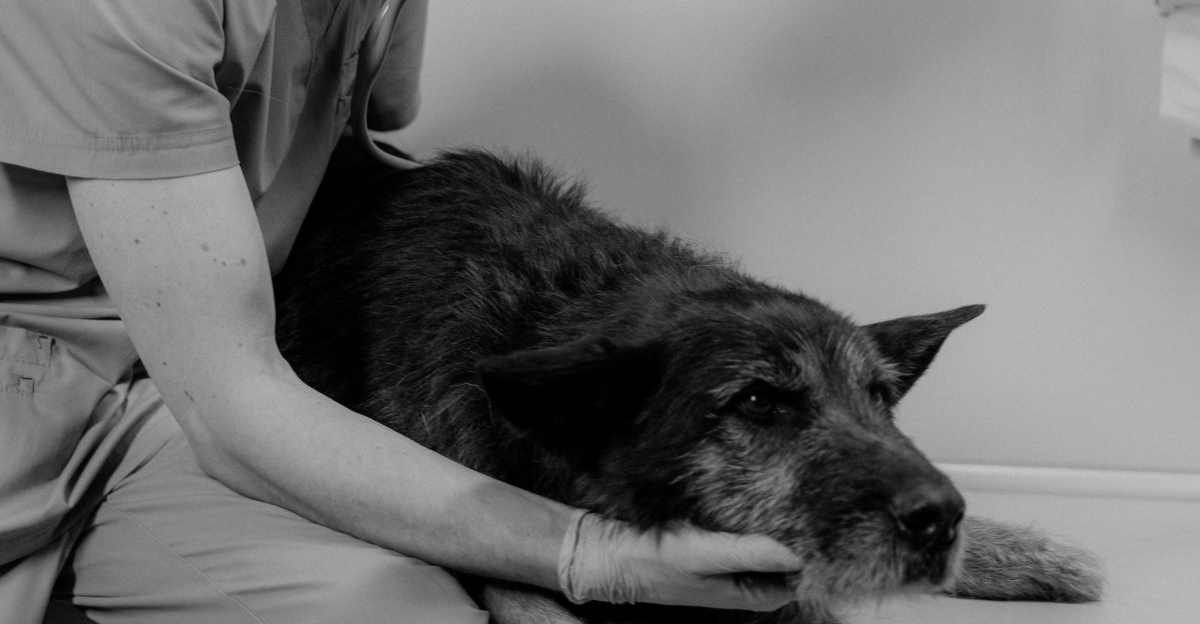
Euthanasia laws vary by jurisdiction, but most require informed consent from the owner and confirmation by a licensed veterinarian.
Ethical frameworks emphasize minimizing suffering while respecting the human–animal bond. Hospice care may reduce unnecessary emergency interventions by helping families plan ahead rather than reacting during moments of acute distress.
Cultural Shifts in End-of-Life Care
Attitudes toward canine end-of-life care are changing across generations. Many owners now prioritize comfort and dignity over prolonging life at all costs.
Online discussions frequently address themes of “letting go” and recognizing withdrawal as an instinctive behavior rather than abandonment. These cultural shifts influence how families approach final decisions.
Why It Matters

Veterinarians consistently observe ten core behaviors that signal a dog may be nearing the end of life. With tens of millions of dogs living in American homes and millions dying each year, recognizing these signs helps families prepare emotionally and practically.
Awareness allows owners to reduce suffering, seek timely care, and say goodbye with compassion and understanding.
Sources:
- PetMD: PetMD (health site). Multiple articles on senior dog signs; representative: general end-of-life guides.
- Codapet: CodaPet (in-home euthanasia network). No specific Aug 30, 2025 article; Facebook/videos on services.
- AVMA: American Veterinary Medical Association. “AVMA Guidelines for the Euthanasia of Animals: 2020 Edition” and “2022 AVMA Pet Ownership and Demographics Sourcebook”.
- Sirius Vets: Likely Sirius Veterinary Rehab (South Africa); “Weight Management and Nutrition” (notes weight loss in decline).
- BluePearl: BluePearl Pet Hospital. “BluePearl Pet Hospice | Greater Houston & Spring, TX”.
- VCA: VCA Animal Hospitals. General vet guides on dying dog signs (via searches).